
01
The space planning move
Relocating the shower across the room meant cutting and patching a concrete slab and rerouting the drain line. The single most cost-driving decision on the project, and the one that made every other decision work.
Wasted space. A tub no one used. The bathroom they actually live in now.
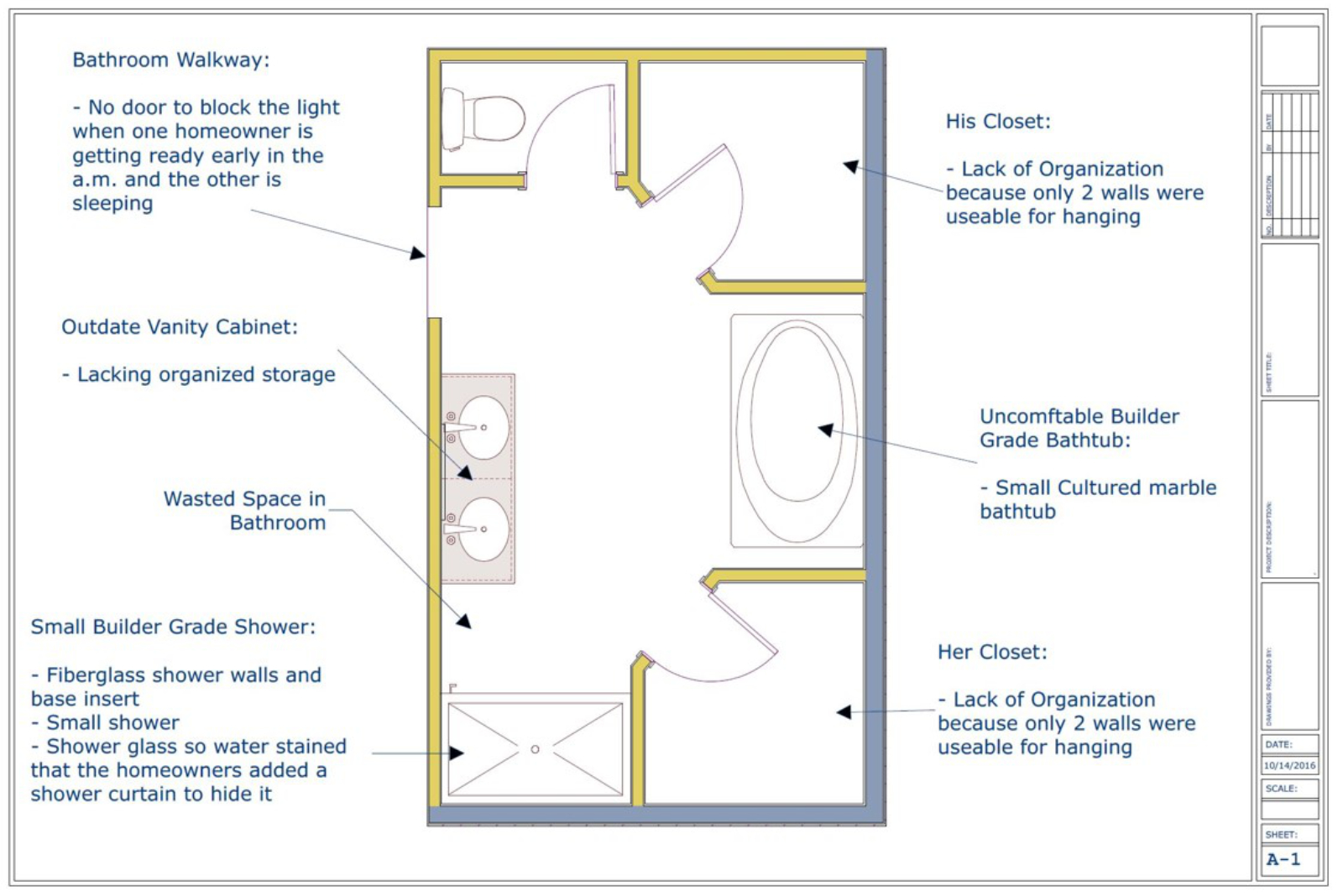
It wasn't a dramatic decision. The tub was small, hard, cultured marble. Getting in once was enough to know you wouldn't get in again. The shower next to it was small enough that the glass door had water-stained over the years, and they'd hung a curtain over it to hide the stains they'd given up on cleaning.
There wasn't a door at the bathroom entrance. The early-rising one of them couldn't get ready in the morning without waking the other. The light from the bathroom window woke them up every weekend they tried to sleep in. The two closets were narrow enough that only two walls of each one were usable for hanging clothes, in a room that had a band of square footage running between them not doing any work at all.
None of those was an emergency on its own. Together they were the kind of accumulating inconvenience that quietly tells a couple they've outgrown their house. Rich and Julie hadn't outgrown the house. They had outgrown the bathroom.
What they wanted wasn't a longer feature list. It was a room that worked the way they did. A real walk-in shower with room for two. A tub they would actually use. A closet that fit a real wardrobe. And a door at the entrance so the early riser could get ready without the other one waking up in the dark.
Rich and Julie had been talking about replacing the tub. Maybe finally cleaning the shower glass. Maybe a new vanity. The standard bathroom-fix list.
Lorrie looked at the room differently. The reason the tub wasn't getting used wasn't because it was the wrong tub. It was because the room was built around two cramped functional zones. Bath and shower on one side. Two narrow closets on the other. A band of square footage running between them not doing any work. Replacing the fixtures inside the existing layout would have been like buying nicer chairs for a dining room nobody wants to eat in.
The design move that solved it wasn't a new fixture. It was a new floor plan.
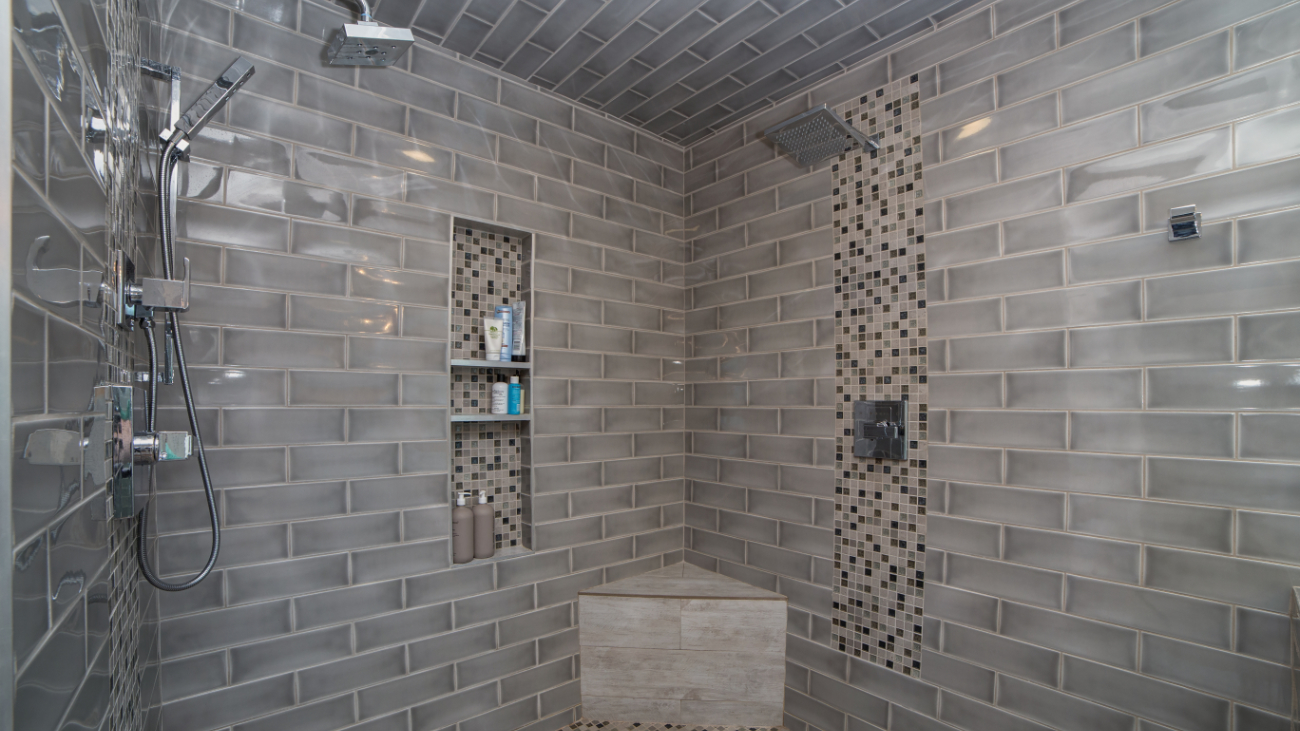
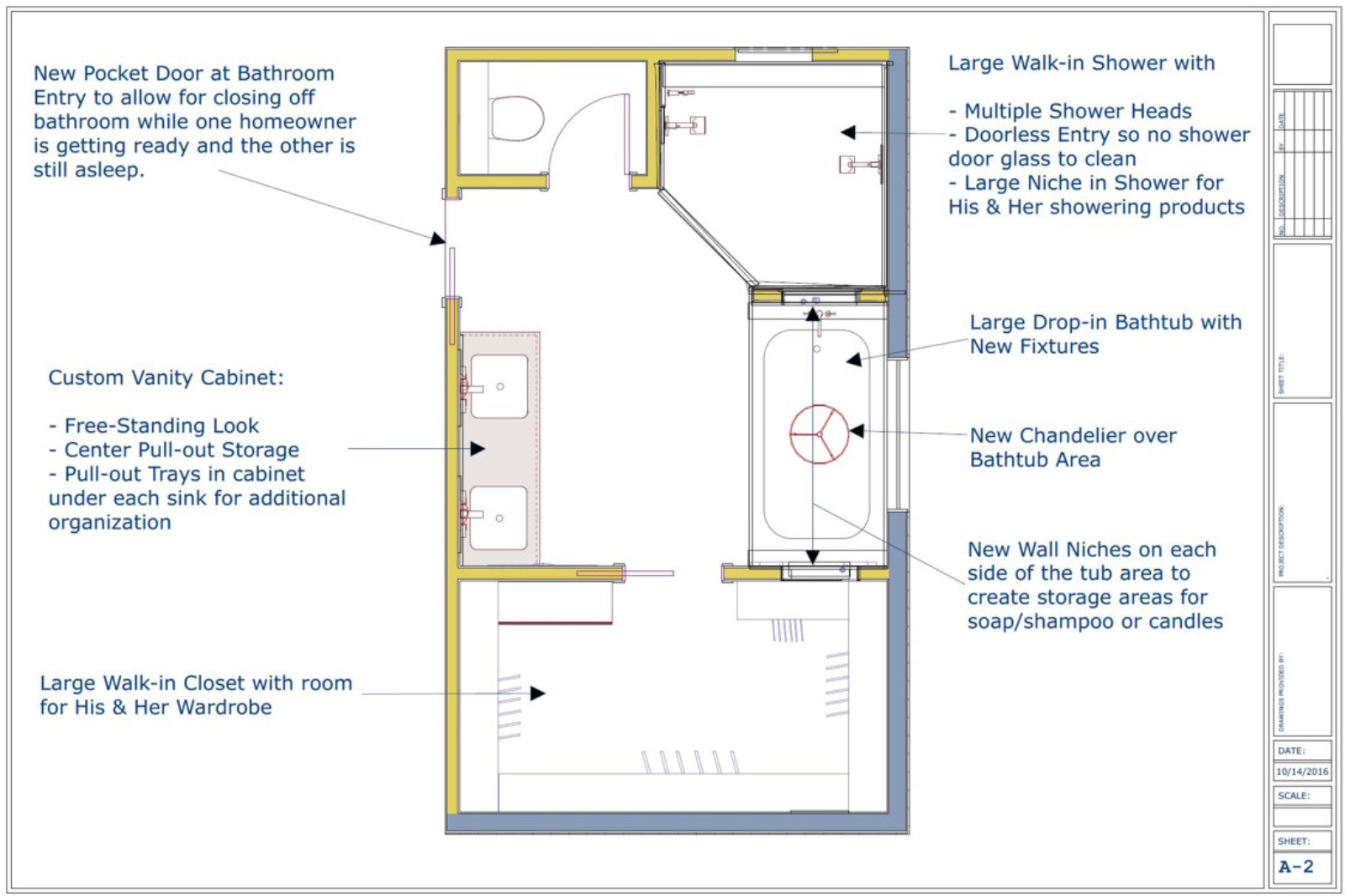
The shower moved across the room and got the doorless walk-in treatment, with two separate showering zones and a bench running the full width of the back wall. The two narrow closets became one walk-in. The vanity stayed in the same wall but got a custom cabinet with a pull-out for the hair dryer that doesn't live on the counter anymore. The tub got the position with the best light and a chandelier overhead. The bathroom got a pocket door at the entry. None of it was the kind of thing the original list was asking for. All of it solved the underlying problem the original list was asking around.
Two people getting ready in the same bathroom isn't a problem you solve with more square footage. It's a problem you solve when the wasted space starts doing real work.
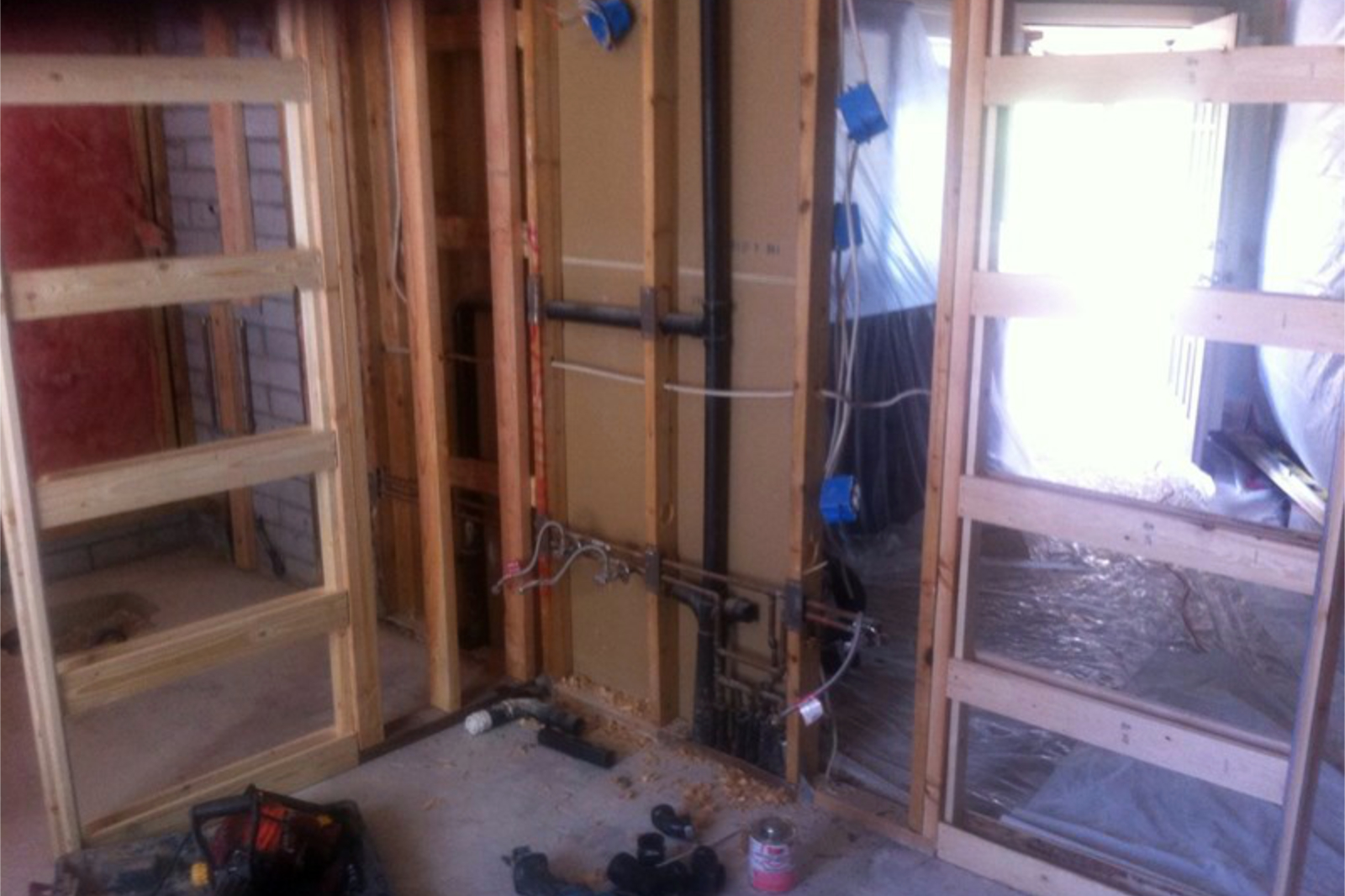
Moving a shower across the room sounds like a layout decision. It's a plumbing project. The drain has to be where the shower is. That meant cutting through the concrete slab the house sits on, rerouting the lines, and patching the slab back to specification. Same for the relocated vanity plumbing that had to make room for a new pocket door frame.
Most of the work that made this bathroom what it is happened underneath the work you can see.
Eight weeks · demo through completion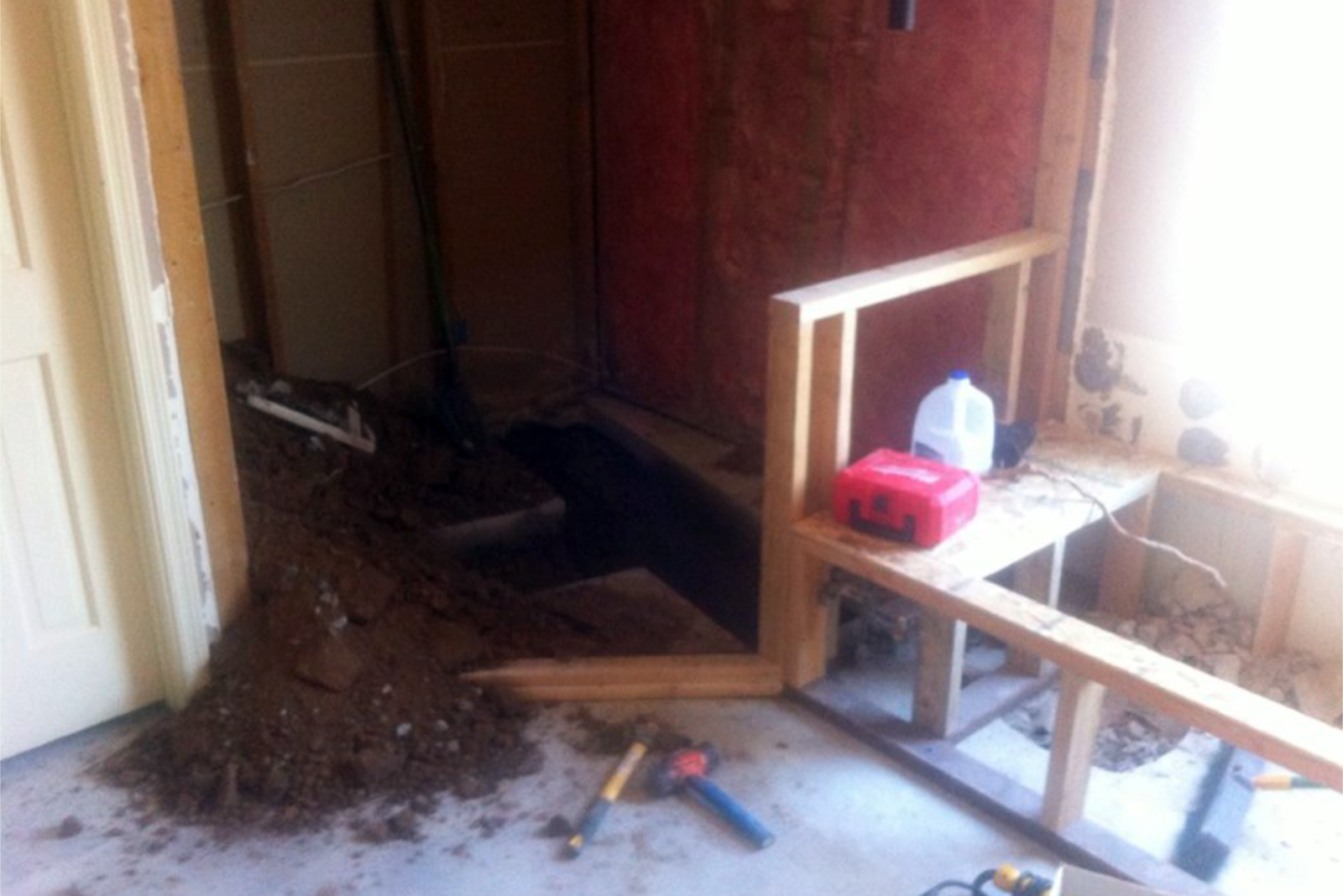
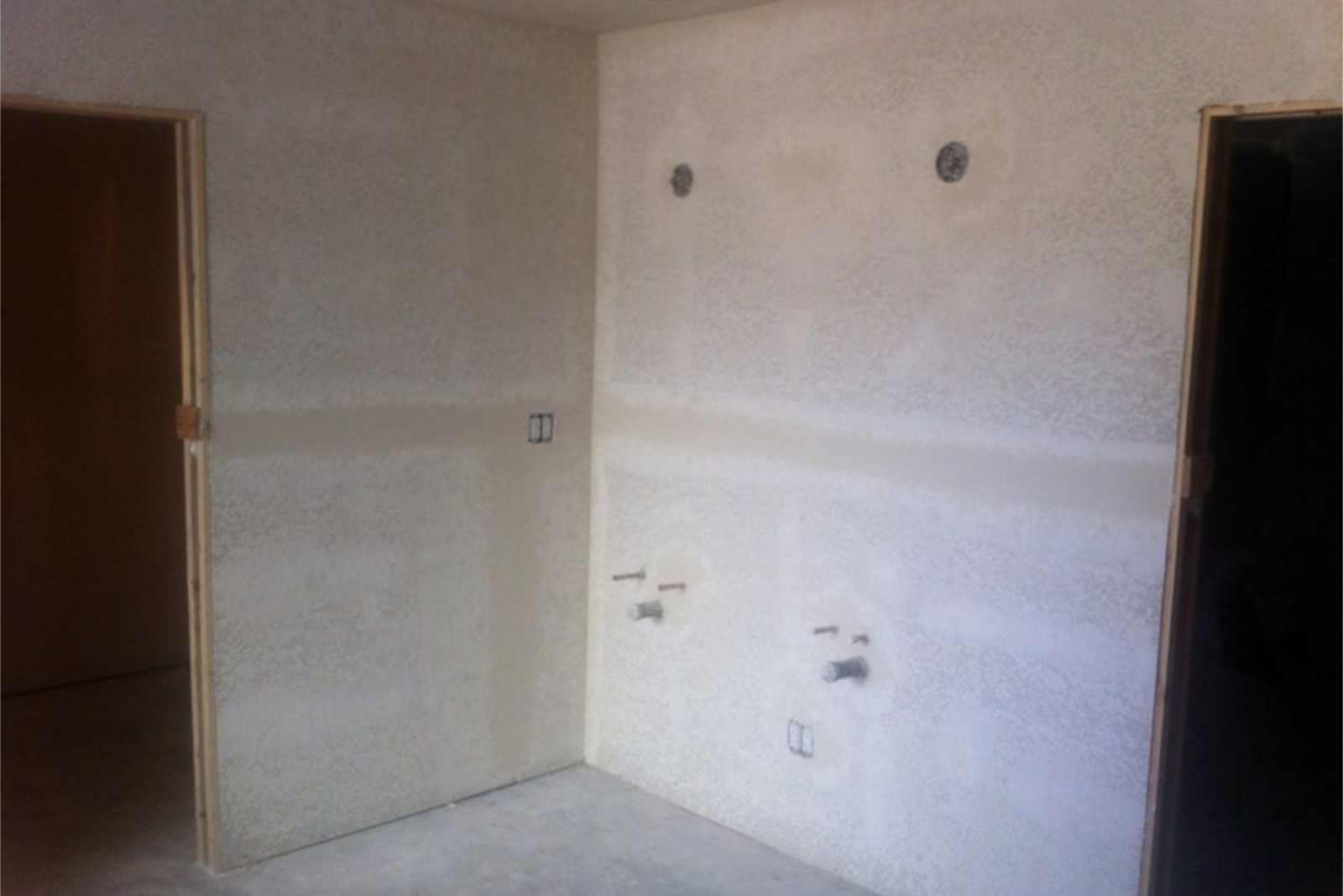
What changes when you stop trying to fit fixtures into a room and start moving the room around the fixtures. The space planning move that made everything else possible.
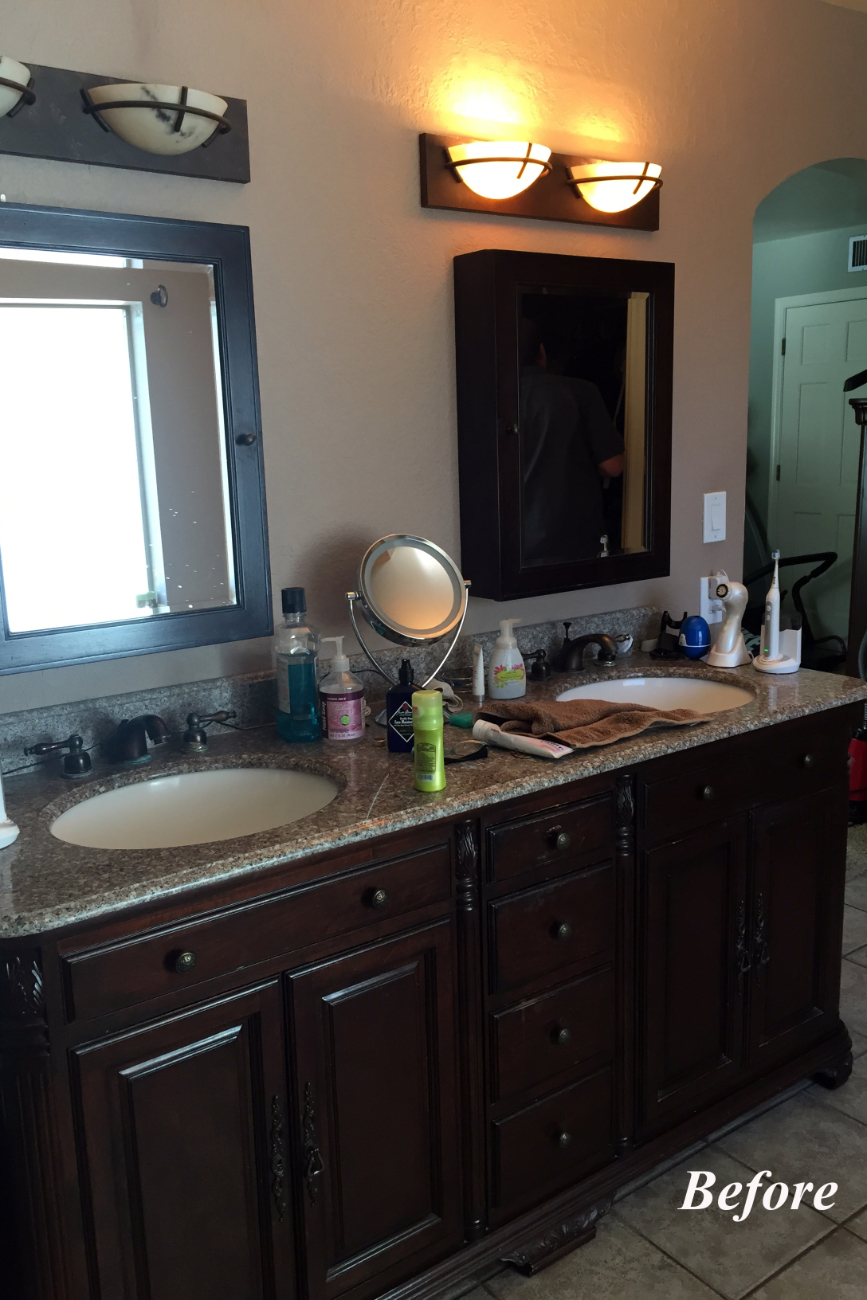
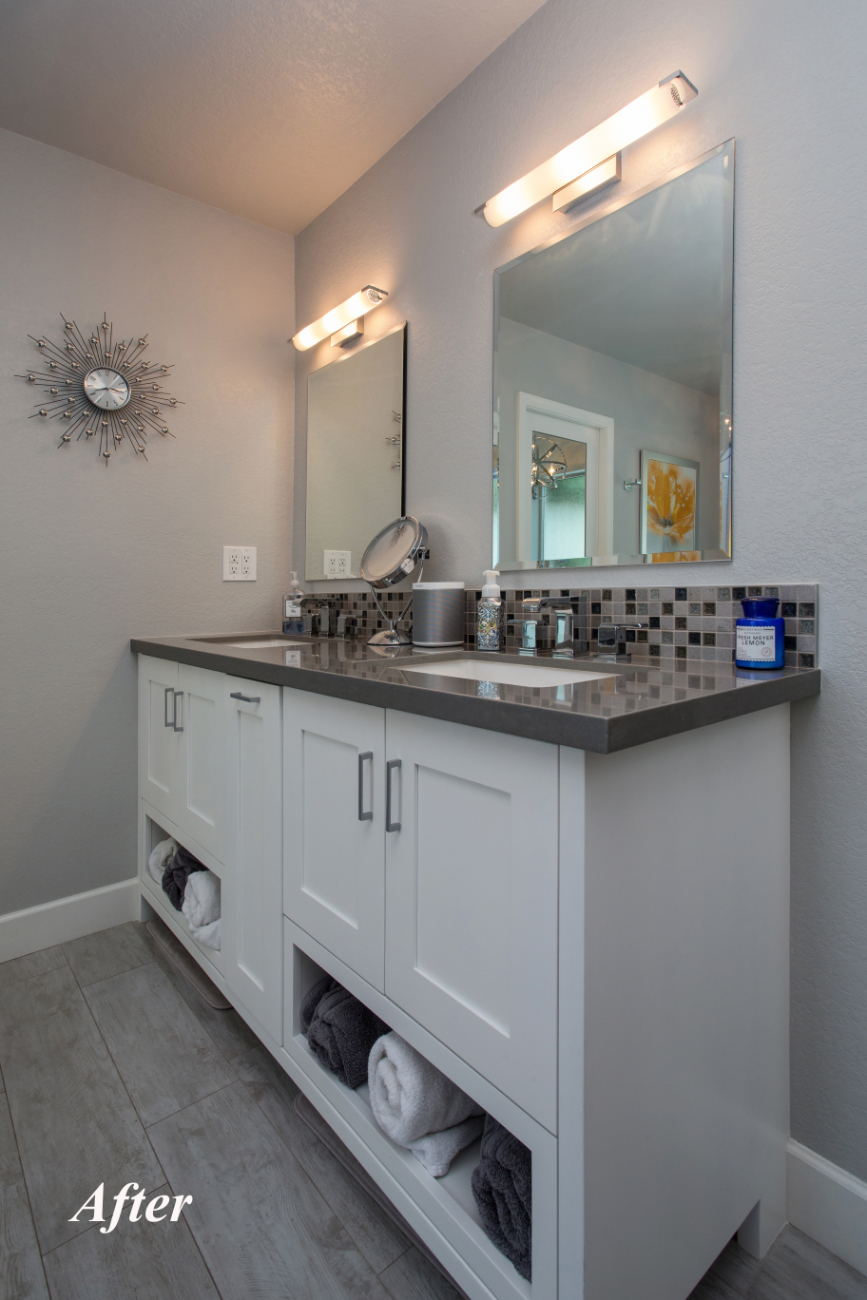
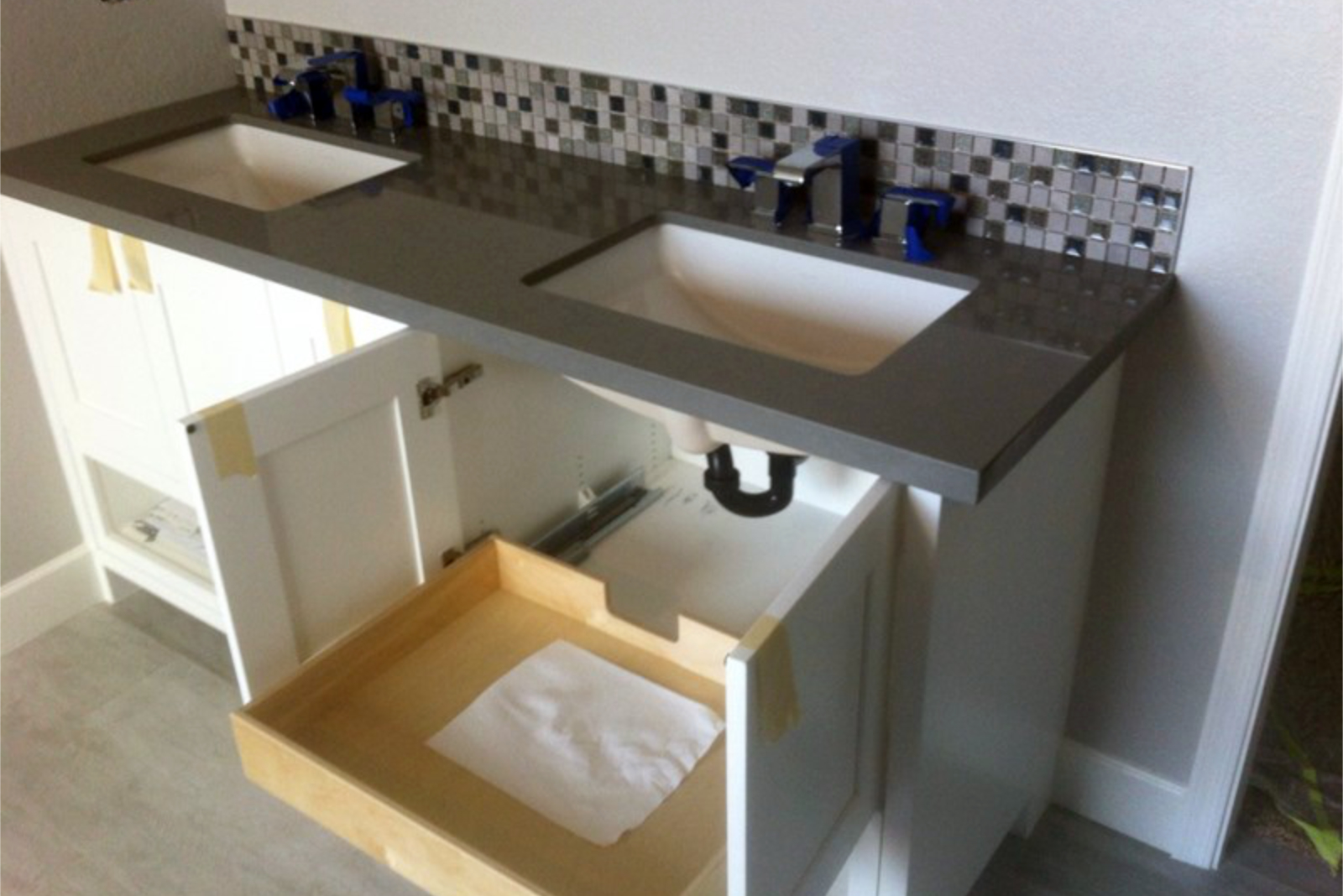
Dark wood, brown granite, and a wall-mounted medicine cabinet. The new custom vanity has the hair dryer pull-out, pull-out trays under each sink, and double mirrors that put the daily grind in better light.
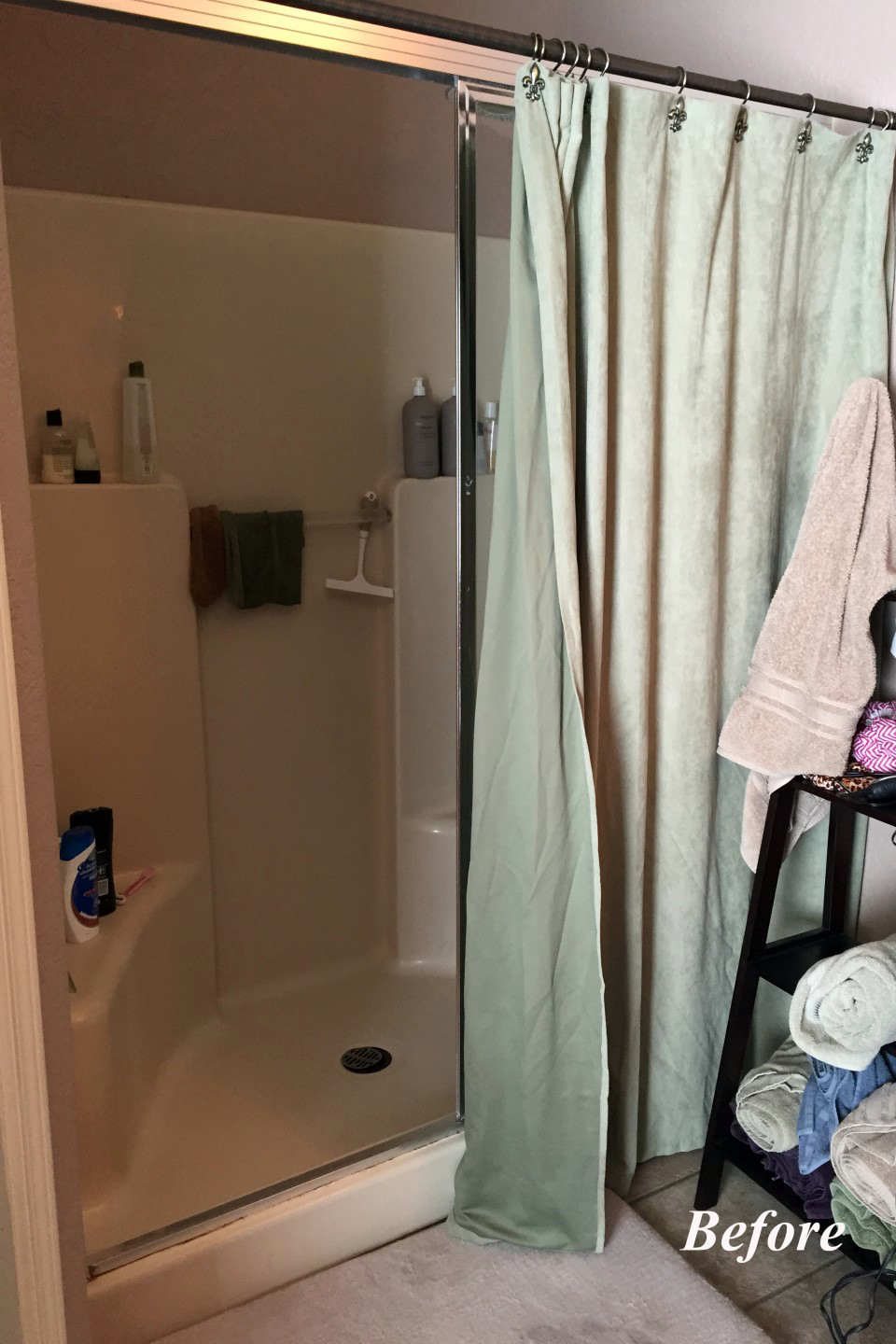
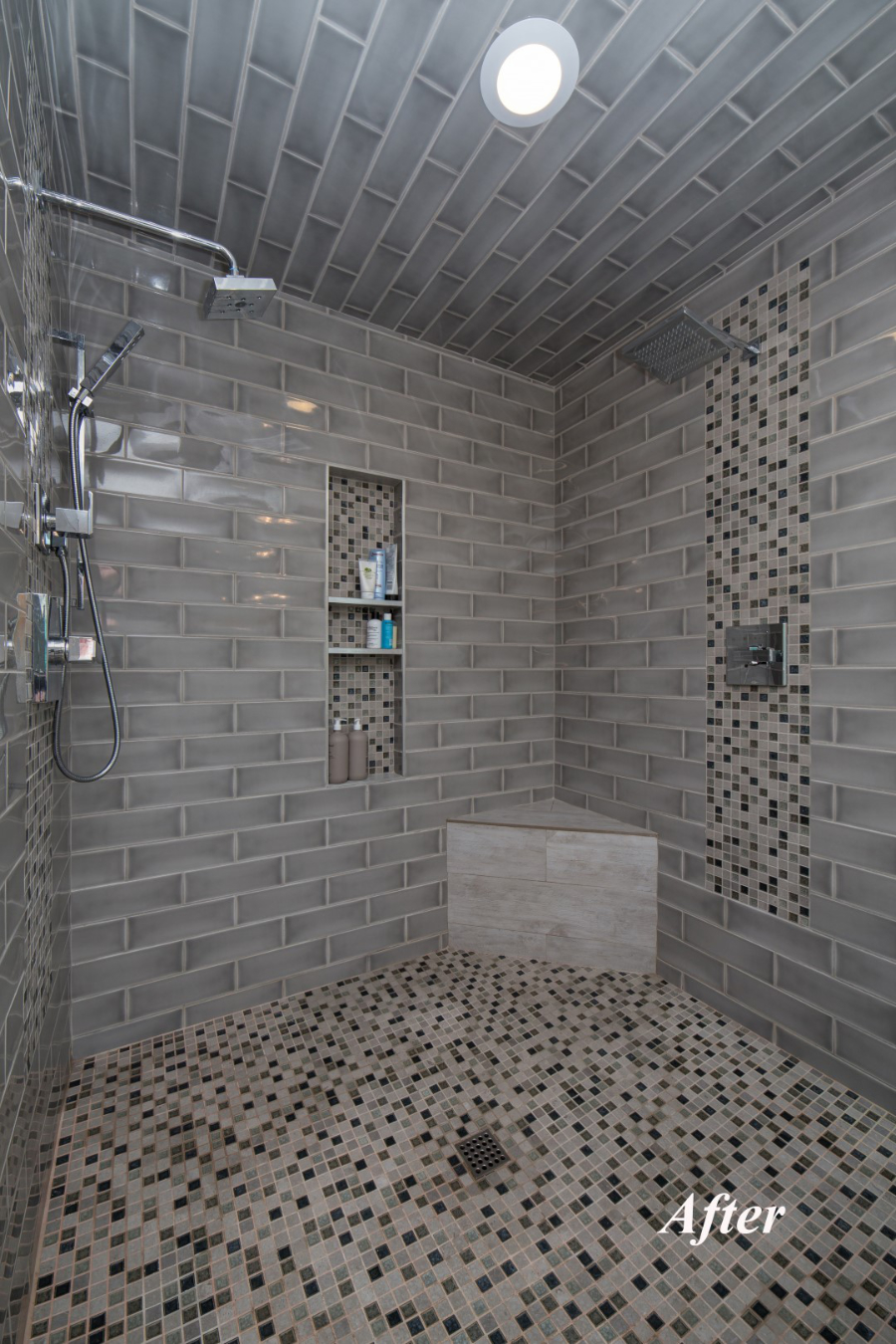
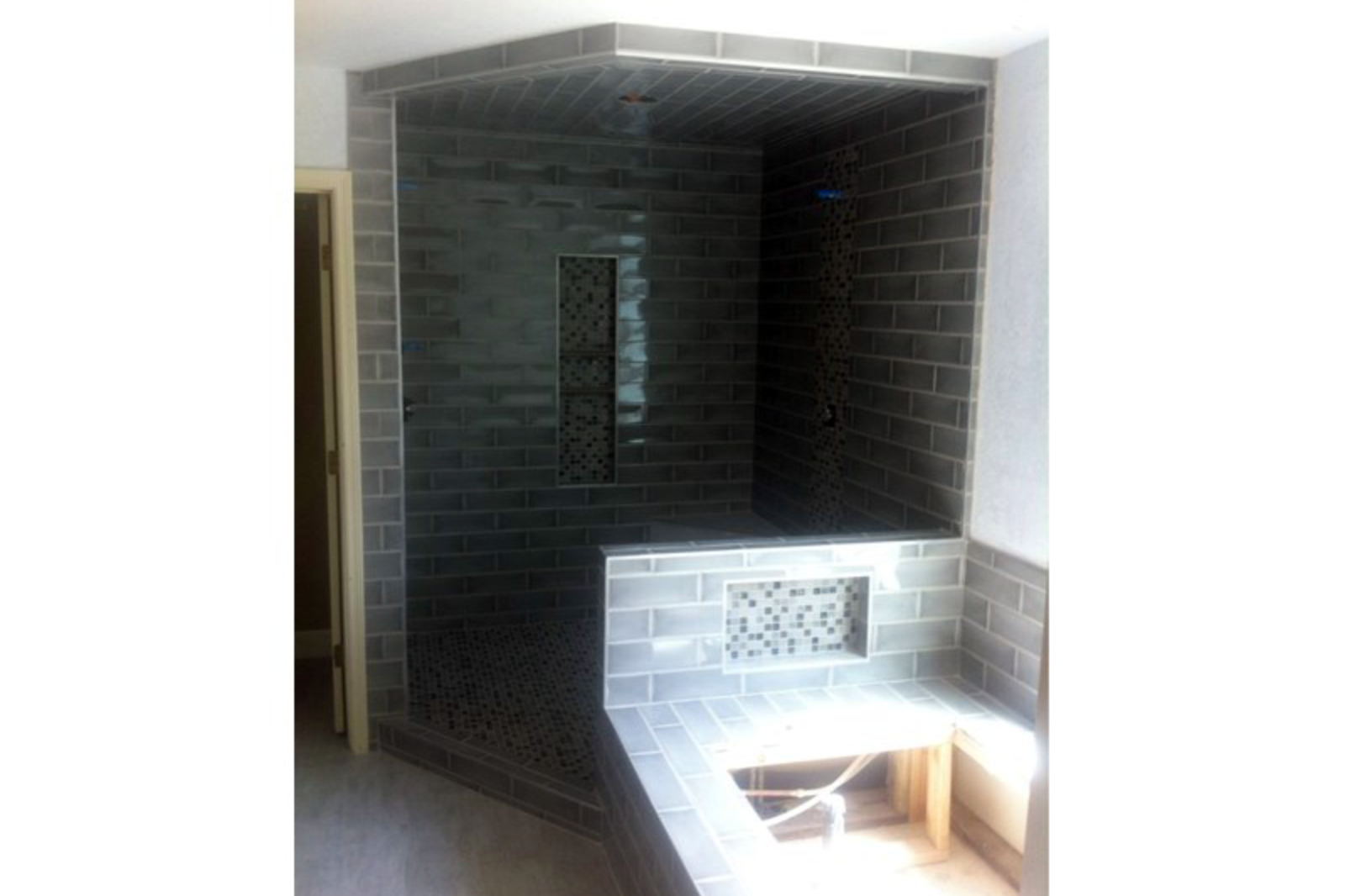
Fiberglass shower with a curtain over the stained glass door. The same wall, doorless, two showerheads, and a tile bench that runs the full width.
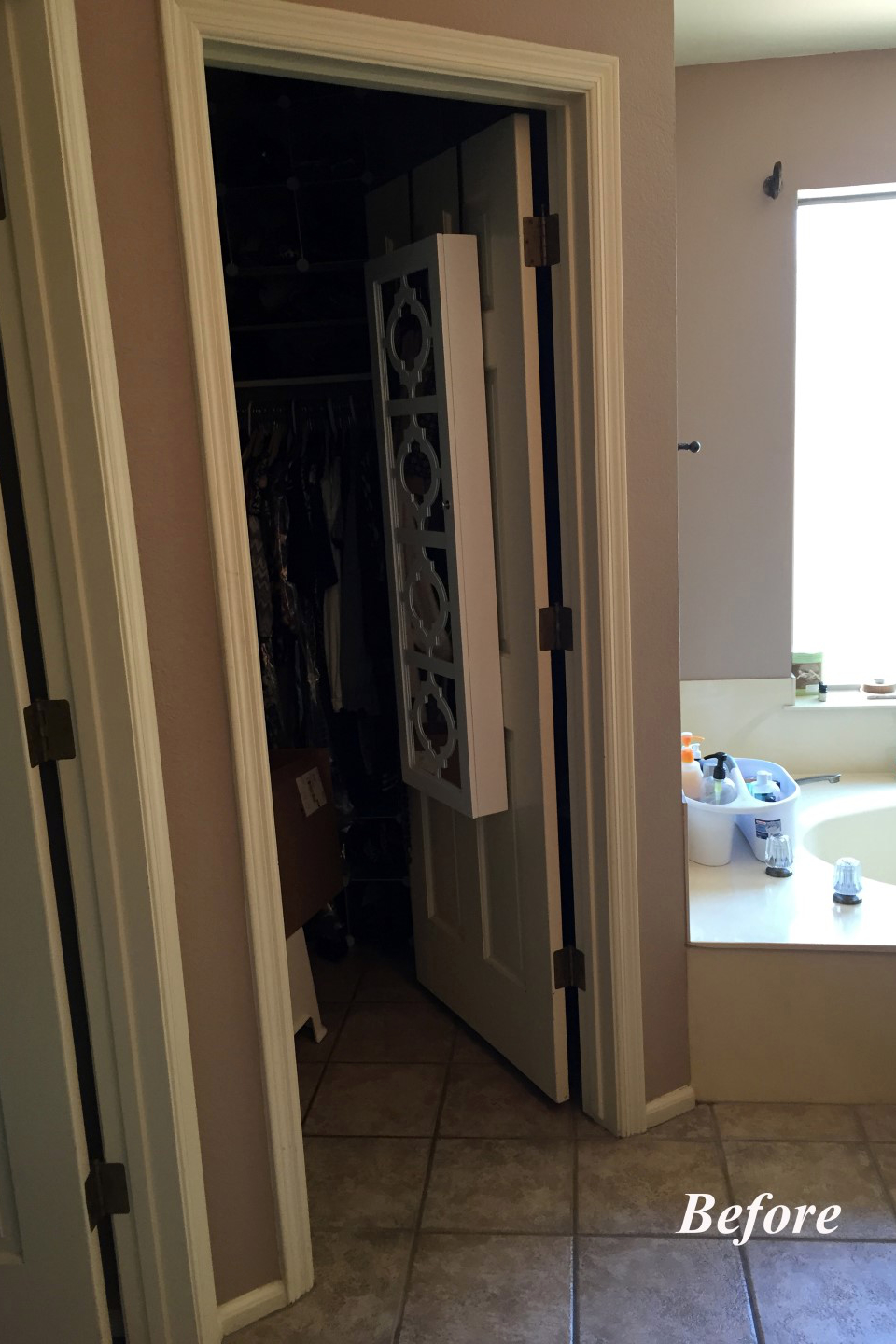
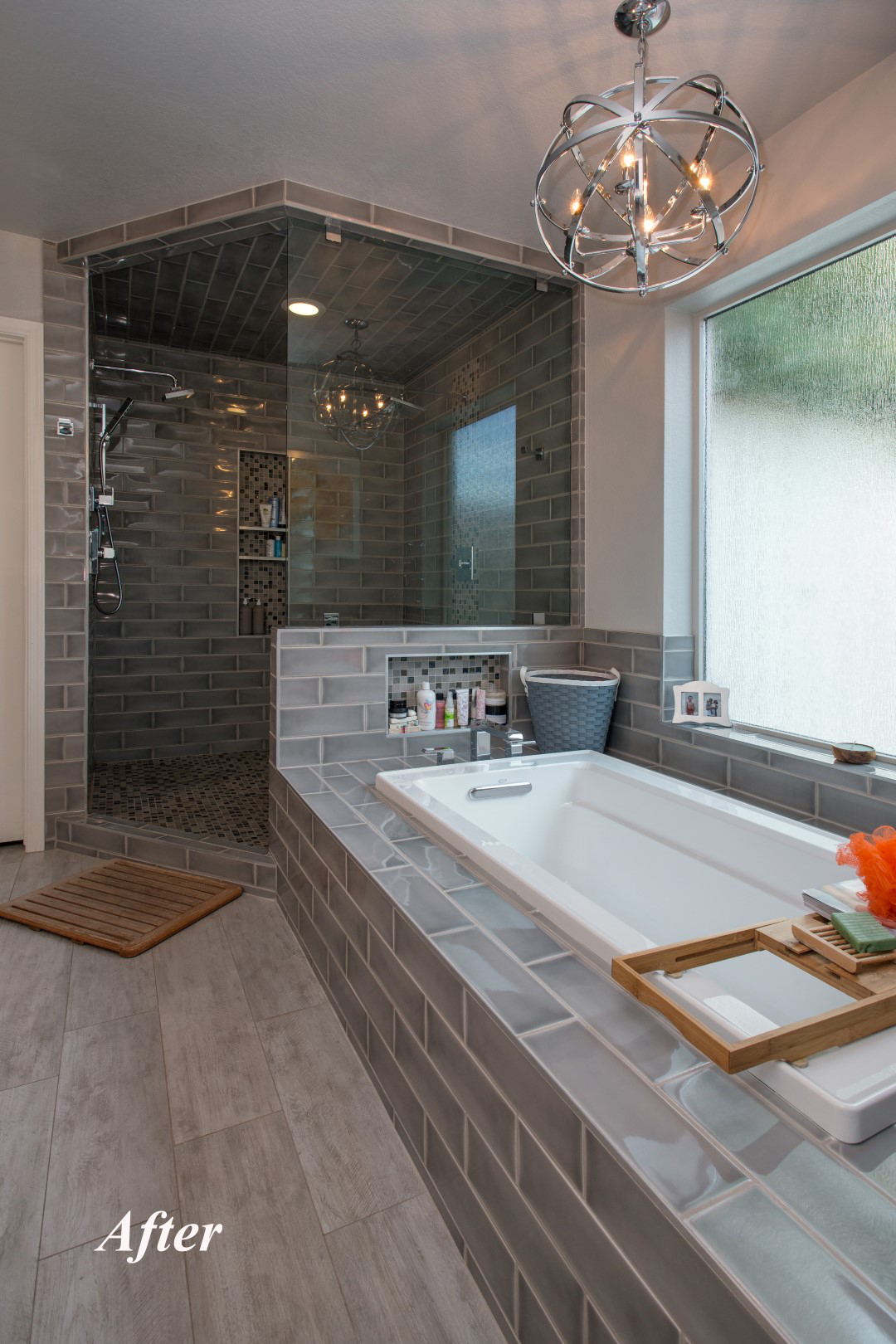
Standing in one of the original closet doorways looking into the bathroom. The same vantage after, with the walk-in shower where the closets used to live. The wasted space wasn't really wasted. It was just being asked to do the wrong job.
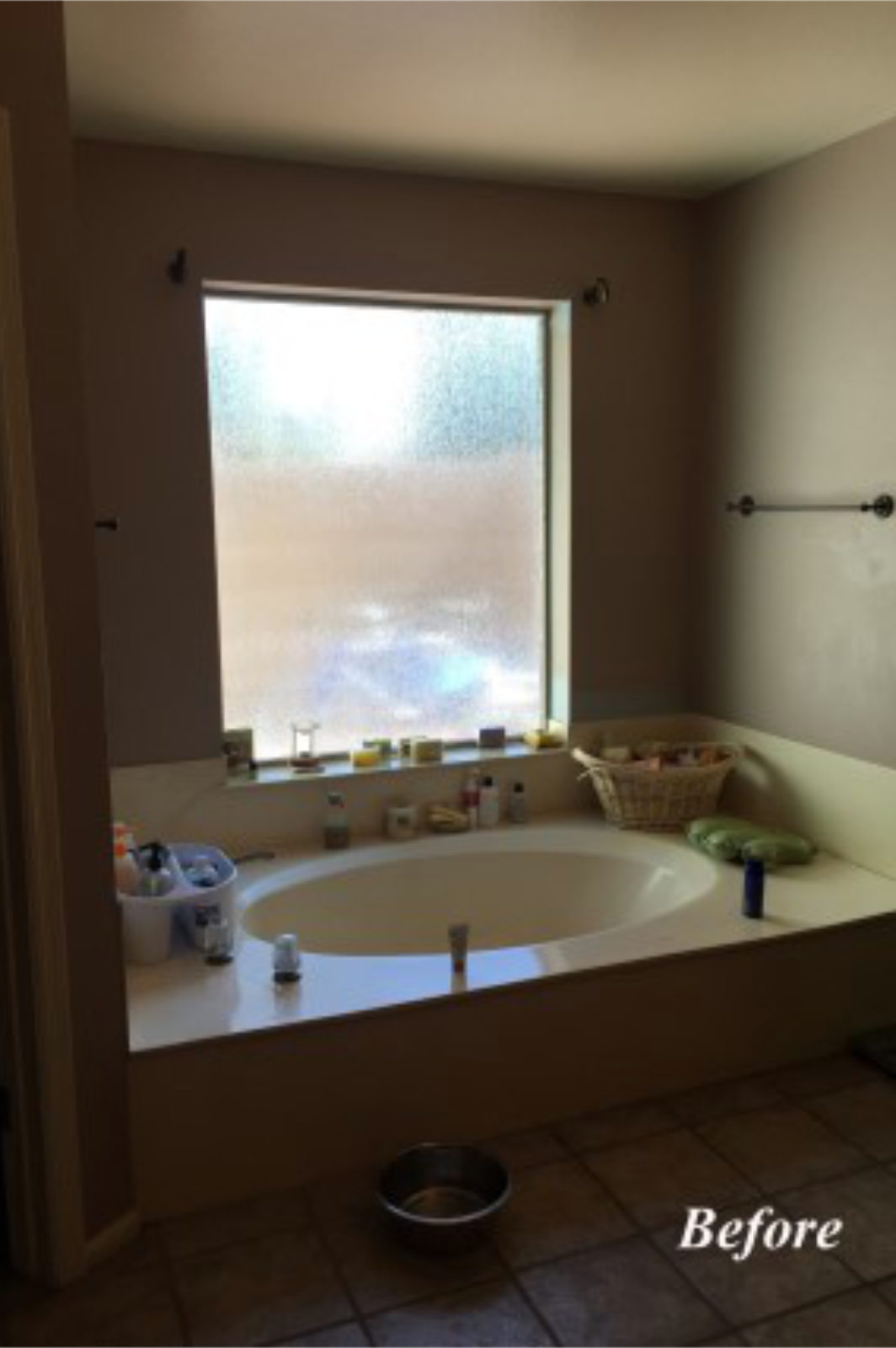
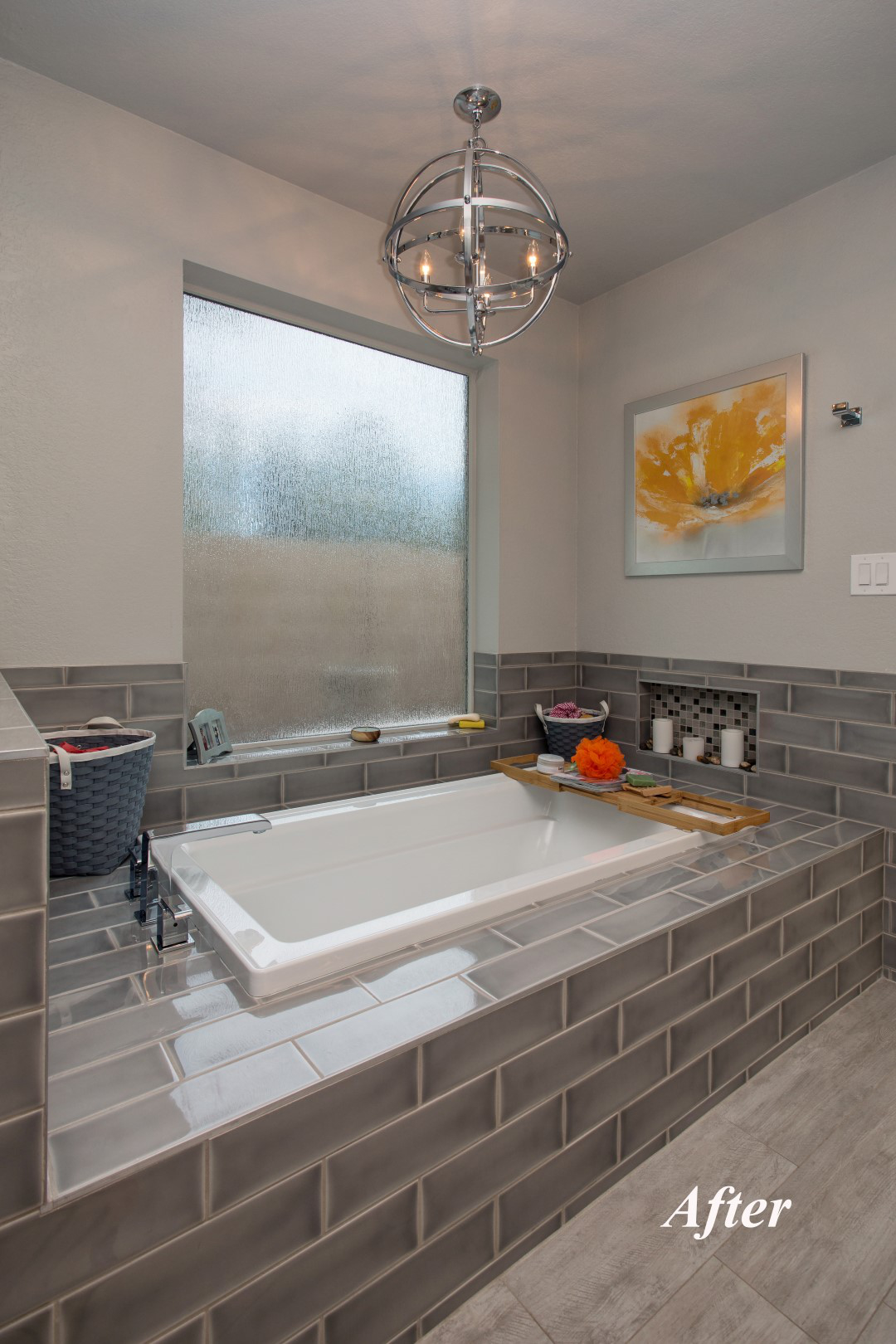
The cultured marble tub that had stopped getting used. The drop-in tub built to actually relax in, sitting under a chandelier and the same window with rain-glass privacy.
Built in 2016 for $58,384. In today's Phoenix market, a project of this scope and finish would land in the $95,000 to $110,000 range, reflecting roughly 70% in bathroom cost inflation over the past decade.
The number wasn't where they started. It's where the design landed after Rich and Julie agreed to stop fixing the bathroom and start replanning it. Every dollar was tied to the new layout. The shower that moved across the room. The slab that got cut and patched to support the move. The custom vanity that put storage where their wardrobe actually lived. The walk-in closet that combined two narrow ones into one usable one.
A bathroom built once, used every morning and every evening for the next twenty years.
Reflecting roughly 70% in Phoenix bathroom cost inflation since 2016.
Relocating the shower across the room meant cutting and patching a concrete slab and rerouting the drain line. The single most cost-driving decision on the project, and the one that made every other decision work.
Semi-custom cabinet with a specialty pull-out for hair dryer and curling iron, plus pull-out trays under each sink. Storage planned around how Julie actually gets ready in the morning, not around standard cabinet sizes.
Grace Grigio brickset on the shower walls, tub surround, and shower ceiling. Kismet Fate mosaic accents in the shower niche and tub niches. Riverwood Blanc plank on the shower bench. Multiple tiles, multiple surfaces, all of it set to align.
Combined two cramped closets into a single walk-in with built-in drawers, hanging space, and a quartz countertop on the closet system. Storage planned around clothing rather than around walls.
What kept the project from going higher: the existing footprint stayed the same. The bathroom didn't gain a square foot of floor space. All of the change happened inside the same room boundaries.
Fixed price. Fixed contract. Everything in writing before a nail was driven.
From a five-star Google review Julie left for Hochuli, after years of working through the master bath, kitchen, and other rooms in their home.
“Hochuli Design and Remodeling team has transformed our home. Lorrie and Scott patiently worked with us to design and remodel our kitchen, family room, baths, master, and closets several years ago, and this year we brought them back for an encore to do our guest bathroom. Always insightful and with great taste, the projects are on time and exceed our expectations. I highly recommend!”
The questions a prospect only thinks to ask after the rest of the case study has earned their interest.
It does, when it's designed for it. The shower in this project doesn't have a door because the shower itself is large enough that the showerheads sit far from the entry, and the floor inside is sloped to channel water to the drain rather than out toward the bathroom. A pony wall on one side and the geometry of the entry on the other do most of the splash containment. A doorless shower in a smaller bathroom would need a glass panel or a different layout. In this room, the depth made the door unnecessary.
Two narrow closets with one usable wall of hanging space each give you roughly six linear feet of clothing storage. One walk-in with three usable walls becomes more like fourteen or fifteen, in the same square footage. The footprint didn't change. The geometry did. The combined closet also opened the part of the bathroom that used to be a doorway and hinge zone, which gave the room enough breathing room to support the new walk-in shower across from it. Two closets weren't the limit. Two doors were.
Kismet Fate is a Tilebar mosaic, hand-finished, sold by the sheet at the time of this project. The shower niche, the two tub niches, and the vertical band in the shower together used about thirteen square feet. At list pricing in 2016 the material ran in the neighborhood of $30 per square foot, with cutting and setting labor for mosaic adding meaningfully on top of standard tile labor.
A pocket door needs a hollow wall to slide into, which existing walls usually aren't. The wall that hosts the door has to be opened up, the studs on the cavity side removed, a pocket-door frame kit installed, and the wall closed back up. Anything in that wall, wiring, plumbing, a heating duct, has to be rerouted first. On this project the vanity plumbing ran through the wall the new pocket door wanted, so the plumbing got moved before the framing went in. Most of the cost is the rerouting, not the door itself.
They did. The master bathroom was unavailable during the build, so they used the secondary bathroom for daily routines. We set up dust barriers between the active work zone and the rest of the master suite. Most of our clients stay in the house during a bathroom remodel. Bathrooms are smaller projects than kitchens and the disruption is more contained. The main inconvenience is sharing a bathroom with the rest of the household for the duration. The ones who manage that comfortably tell us they wouldn't have done it any other way.
This bathroom earned NARI Contractor of the Year recognition at the Local level, in the Residential Bath $50,001 to $75,000 category. NARI's Contractor of the Year program is the most rigorous independent evaluation of remodeling work in the country, with a panel of designers and builders evaluating every submission against documented standards for design, execution, and craftsmanship.
Recognition like this is a useful proof point. It isn't the reason this project mattered. The reason this project mattered is that Rich and Julie walked into a bathroom they had been working around for years and started using a tub for the first time in a long time.
If you're reading this far, you're probably not done thinking about your own bathroom. That's the right place to be. The first conversation isn't a sales call. It's a chance to see if we're the right team for what you're trying to build, and for us to see the same. No pressure. Just a conversation.
Schedule a Conversation