
01
The continuous surface
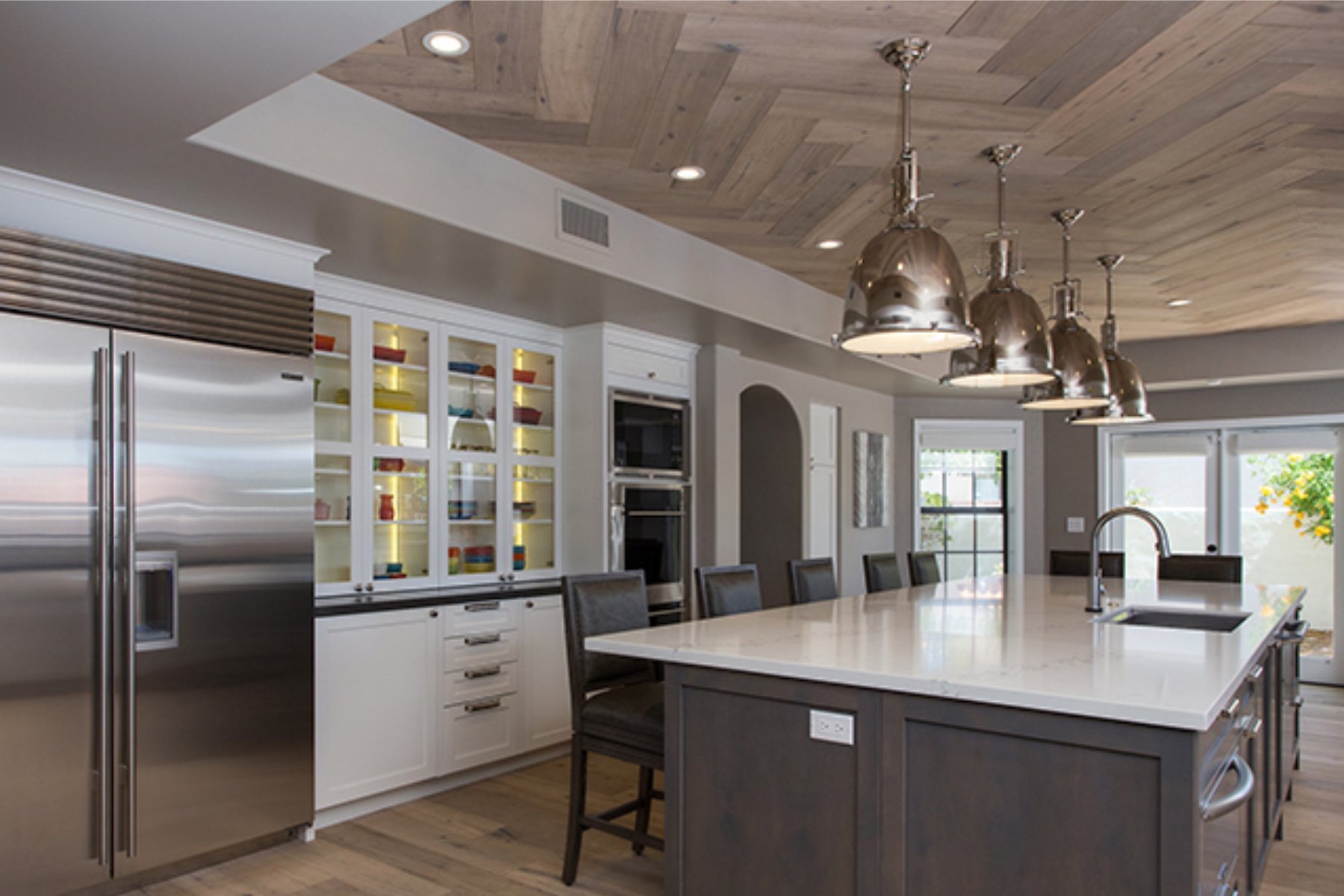
French White Oak running floor to ceiling in matching tones, with the herringbone overhead modified onsite from flooring stock. Premium material across two surfaces with custom installation labor on the ceiling.
Five years in. One room left. We took it to a magazine.
Five bathrooms. The laundry room. One project at a time, one room at a time; the way most long relationships in this business actually go.
The kitchen was the only room left.
It wasn't broken. It worked, in the way kitchens that are about to be remodeled always work: technically. A full height wall between the kitchen and the family room meant nobody preparing food could see the TV during the game. The peninsula counter made getting to the backyard and the BBQ a navigational exercise. The breakfast nook had a small round table with six chairs crammed around it (the kind of arrangement that makes you eat faster). The bar was cluttered, the storage was tired, and the cabinet finishes were the cabinet finishes from the era when the house was last touched.
None of that was a crisis. All of it was a slow accumulation of "this isn't quite working." The kind of thing a family lives with for years before it's ready to be the next project.
When they finally were ready, they handed us the kitchen with a brief that was simultaneously the most generous and the most terrifying thing a homeowner can say to a designer:
"Design and plan it as if it were your house. We're open to any ideas you have."
And then, a beat later:
"Make it like a kitchen I'd see in a design magazine."
That's the moment when a five year relationship gets put on the table. They'd waited long enough. They wanted the room they'd been picturing without quite knowing how to picture it. The work ahead was to figure out what the new kitchen was actually to be like; then build it to match (and then some).
The brief was clear in intent and short on specifics. Magazine kitchen. Lorrie's call on the rest. After five years of work on the smaller rooms, the kitchen got its turn.
The kitchen as it stood was three rooms in a trench coat. A cooking area pinched by a peninsula. A breakfast nook where six chairs were always two too many. A bar built like a closet with a counter on it. Each one served its function and none of them spoke to each other. The wall between the kitchen and the family room sealed the deal: this wasn't one room, it was a series of rooms with kitchen plumbing running through them.
The design move that solved it wasn't a single object. It was a continuous surface.
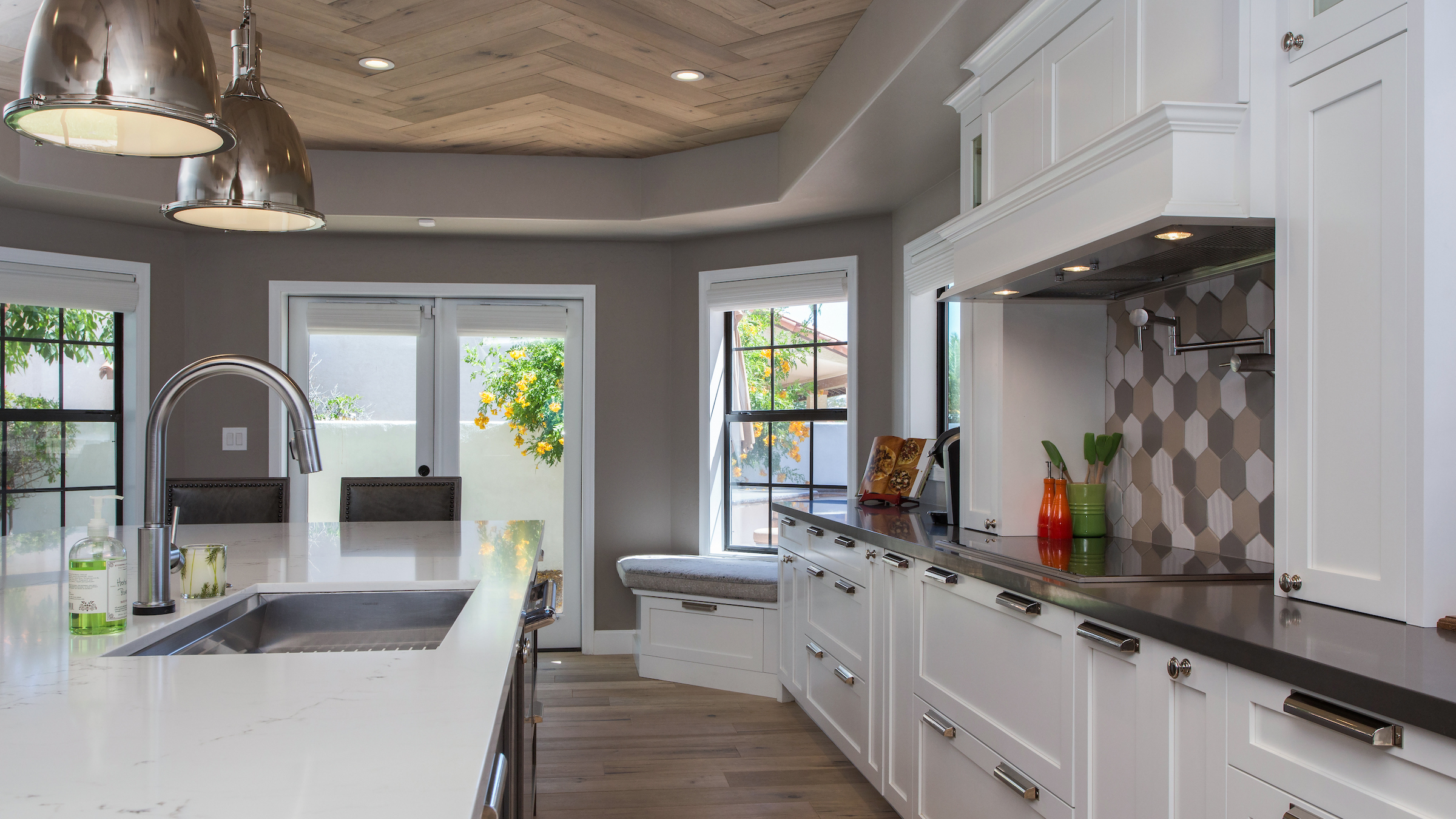
French White Oak ran the length of the floor, then continued upward across the ceiling. The same material, two orientations: a herringbone pattern overhead that had to be cut and modified onsite since flooring isn't built for ceiling installation. The ceiling pulls the eye across the entire footprint without stopping at the old wall lines. The floor anchors it. White perimeter cabinets disappear into their walls. The stained island stands up against the white. Polished chrome pendants do the rest of the work.
"The ceiling gets the attention. The floor is what makes it work."
The Walker Zanger KNIT tile at the cooktop and bar wasn't an accent. It was the second beat of the same idea. Hexagons in muted colors, finished by hand, with a surface that mimics woven fabric. Brand new to the market when we found it; we were the first install in our region. It carries the weight in the two places the eye lands when it isn't looking up.
Everything else (the layout, the storage, the appliance positions) followed from the design idea instead of fighting it.
A kitchen remodel of this scope isn't a single project. It's fifteen smaller projects running in sequence, each one depending on the one before it being right. The wall removal had to clear the structural inspection before the framing could begin. The framing had to be square before the cabinets could be measured. The plumbing reroute had to be finished before the floor went down. The floor had to acclimate before the ceiling could match it.
Most of the discipline on a build like this is invisible by the time it's done. The kind of project where the team kept finding small things that weren't quite right and quietly fixed them as they went. None of that shows up in the finished photos. Some of it shows up in the construction photos.
Ten weeks · demo through completion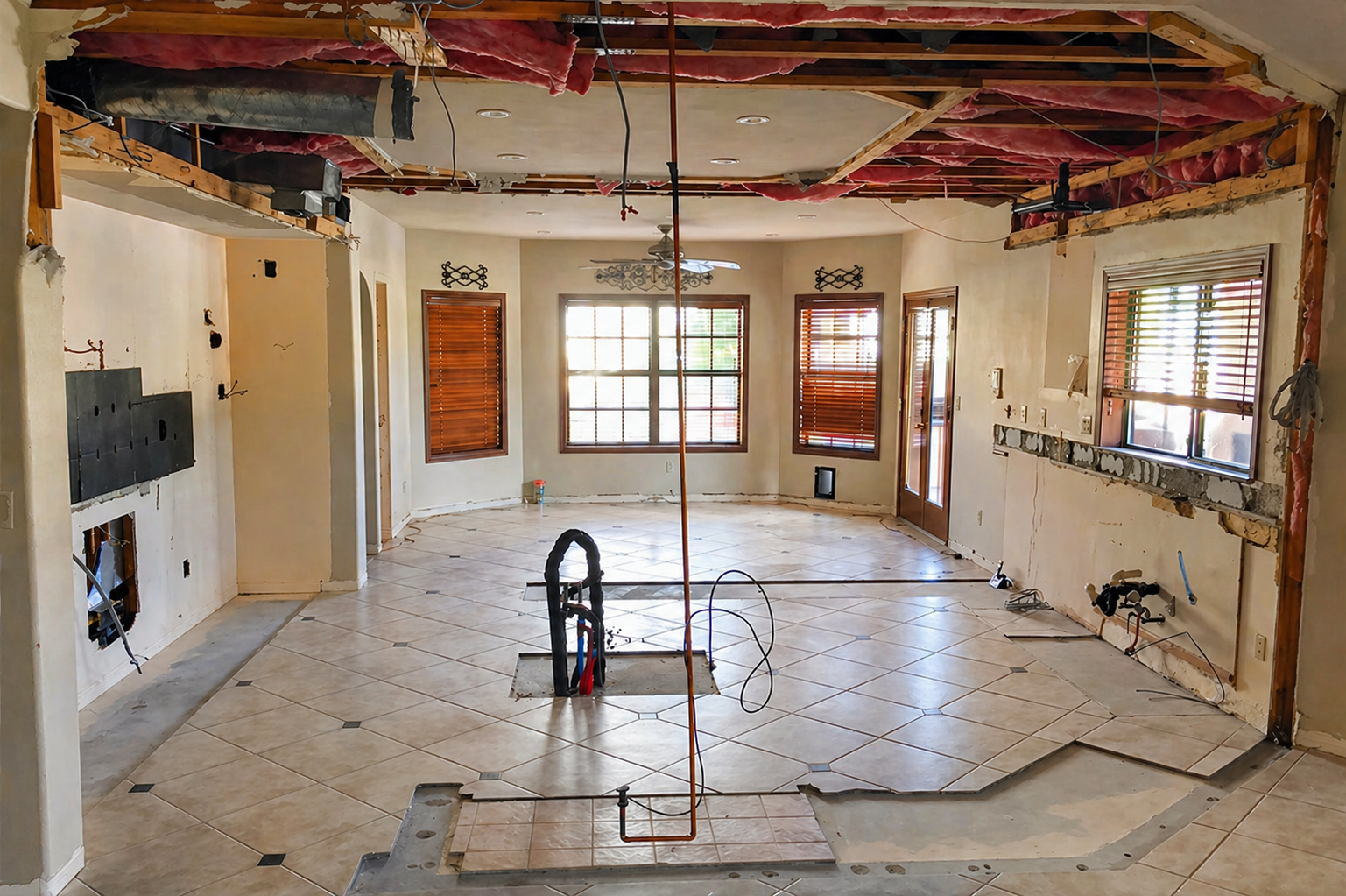
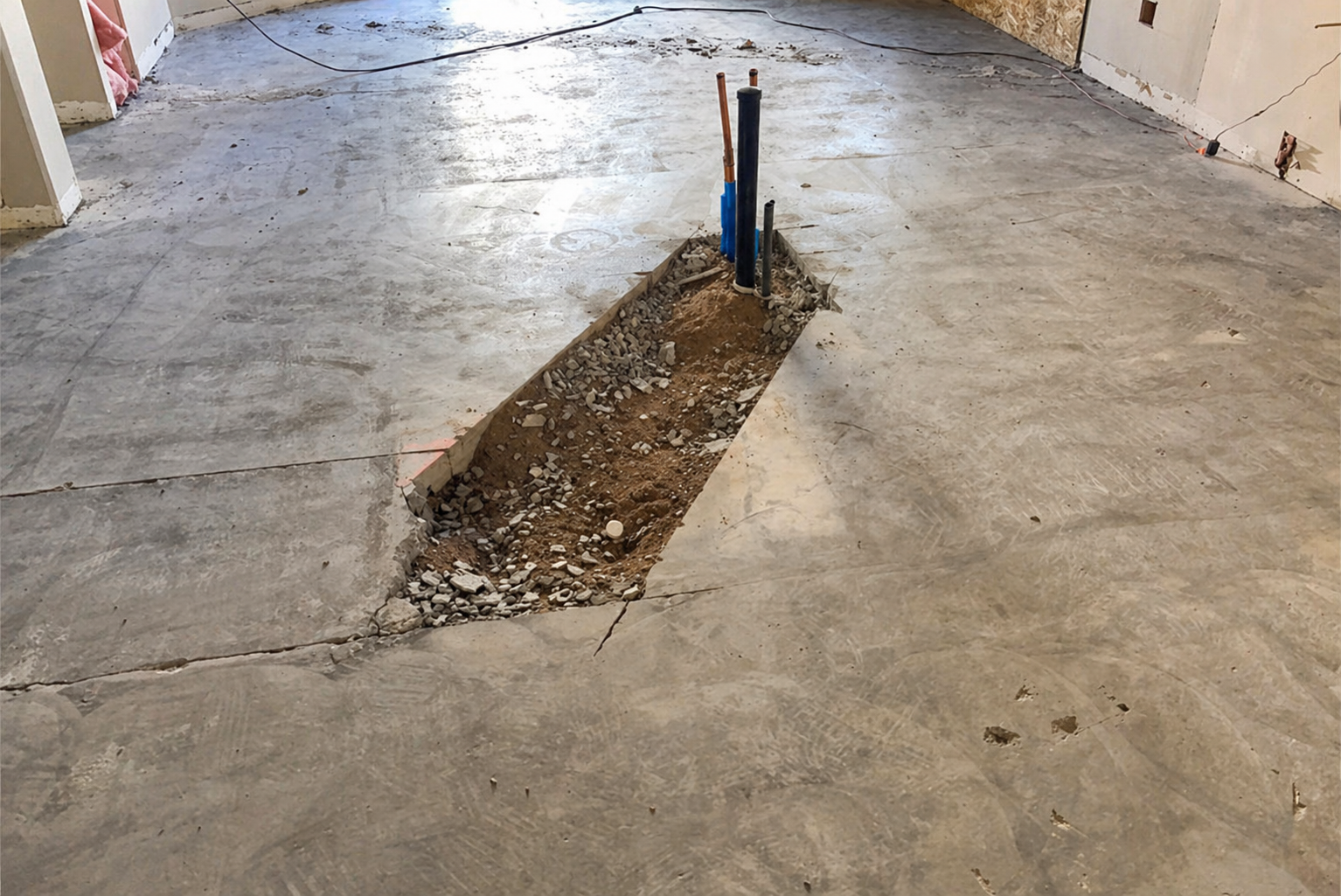
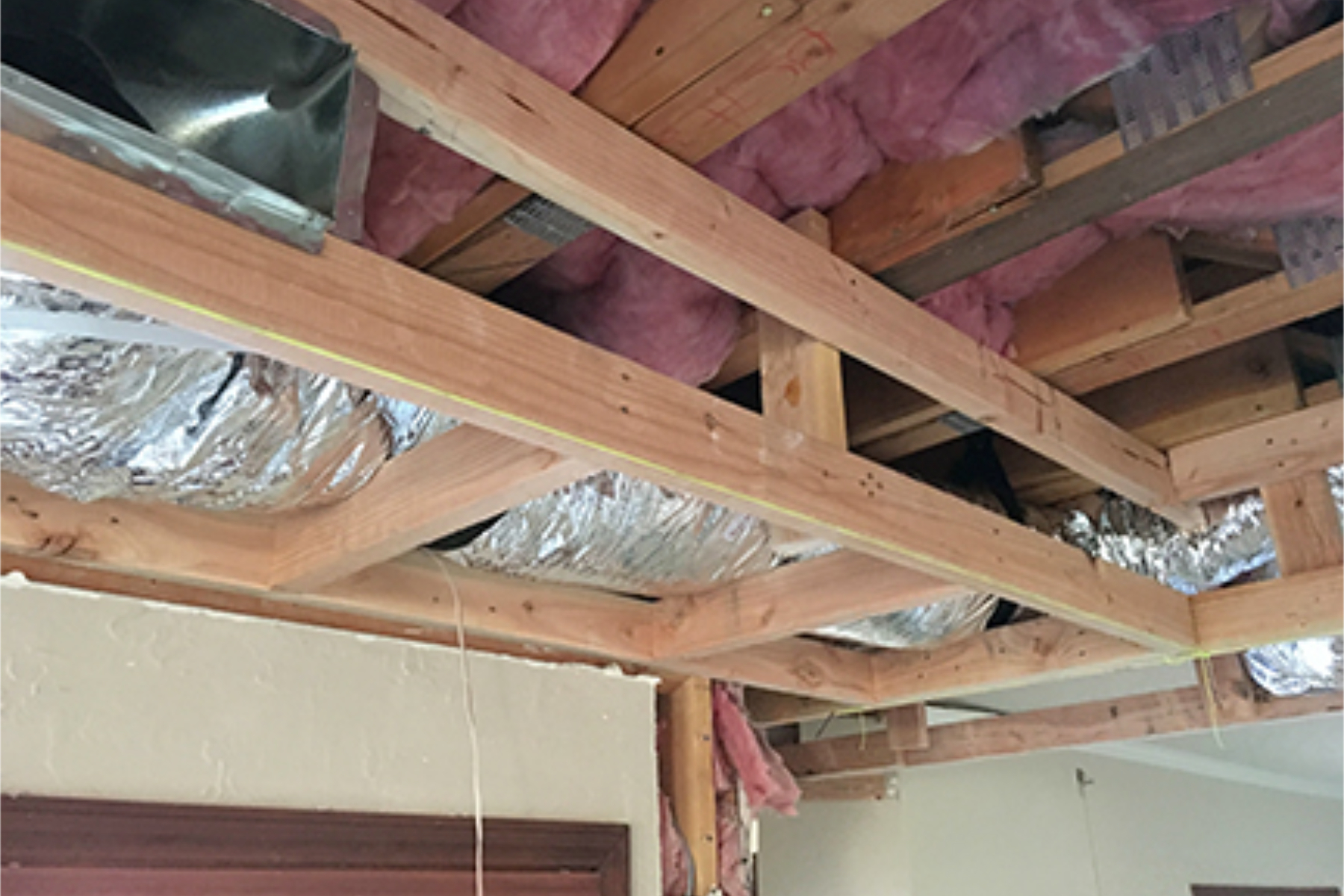
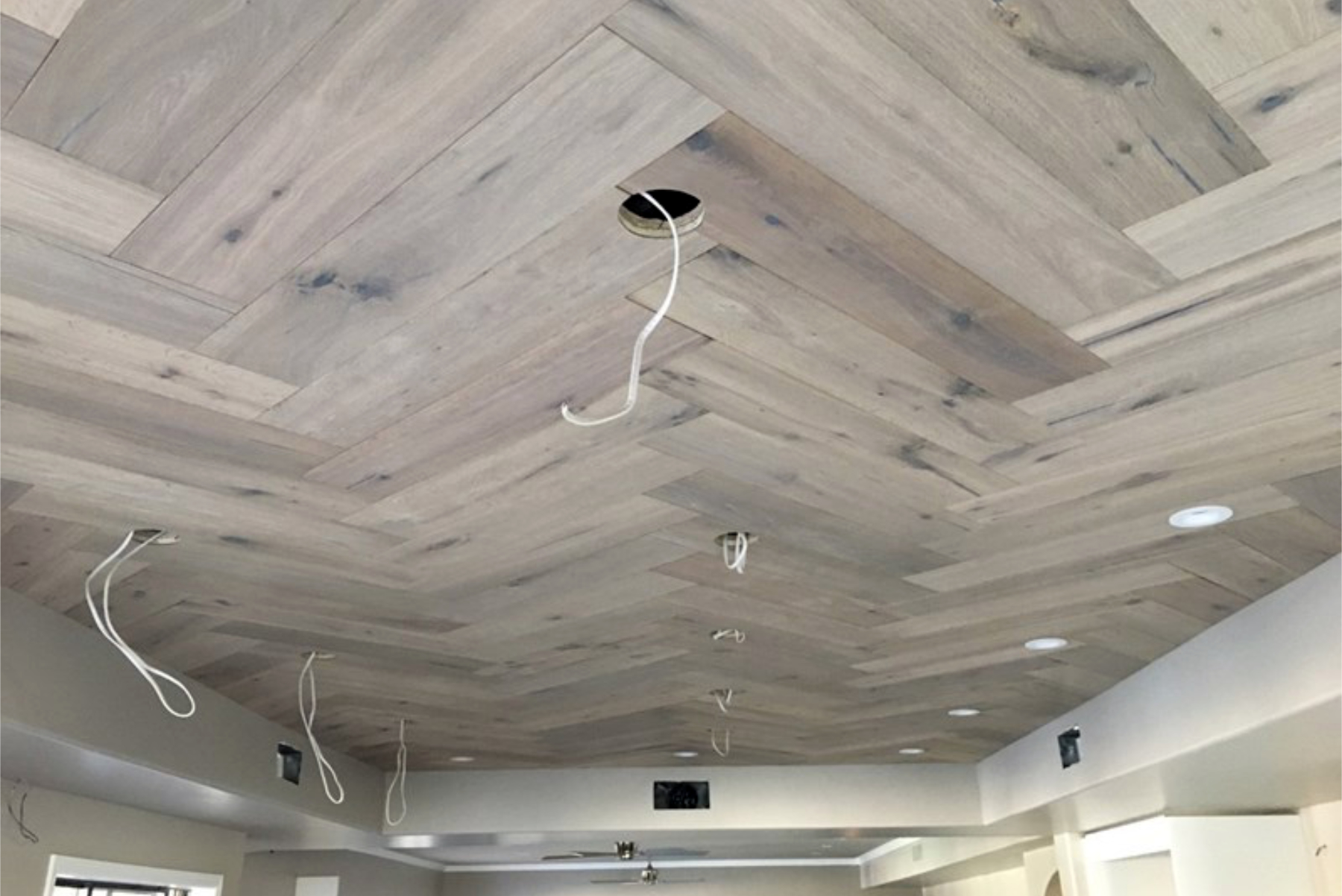
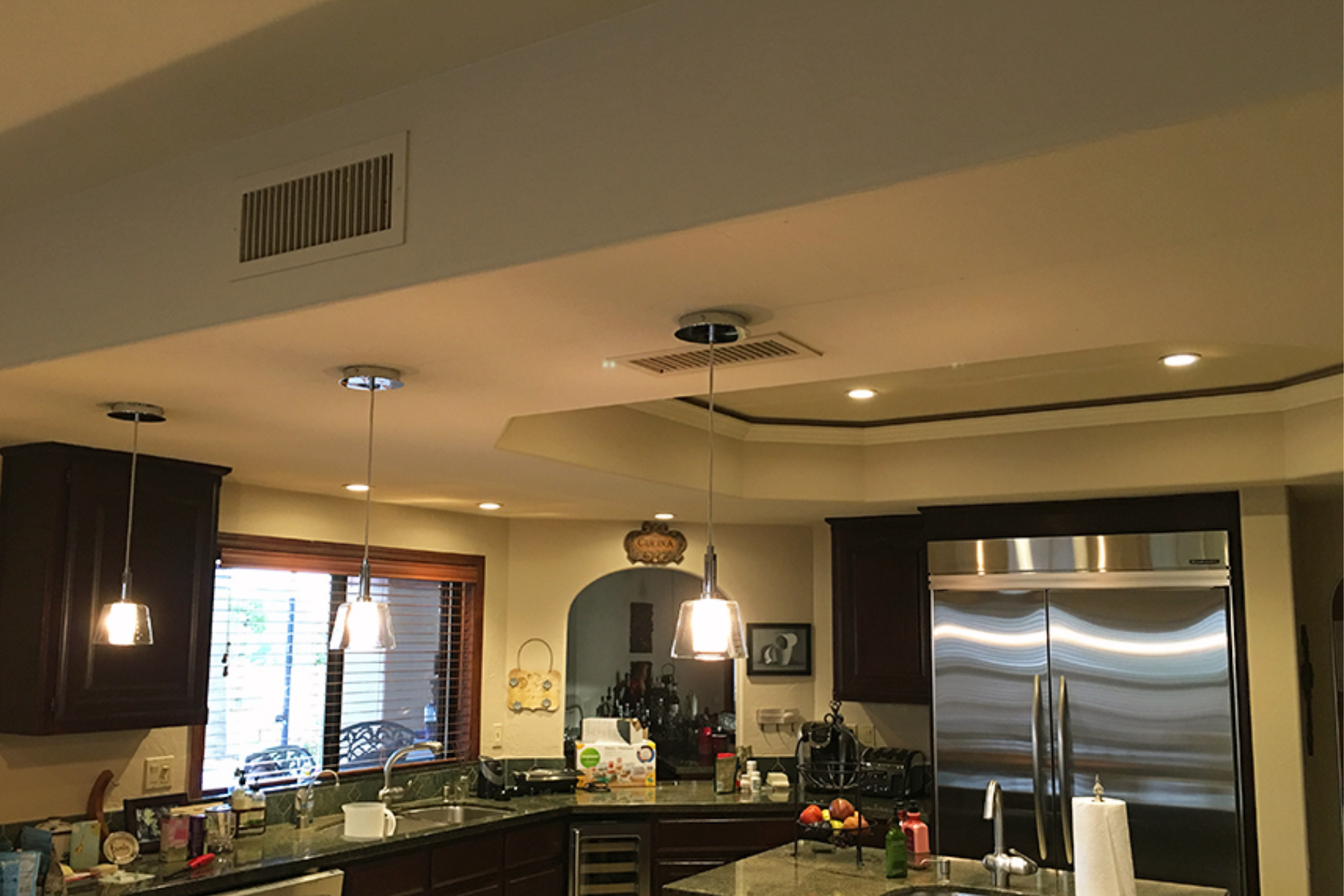
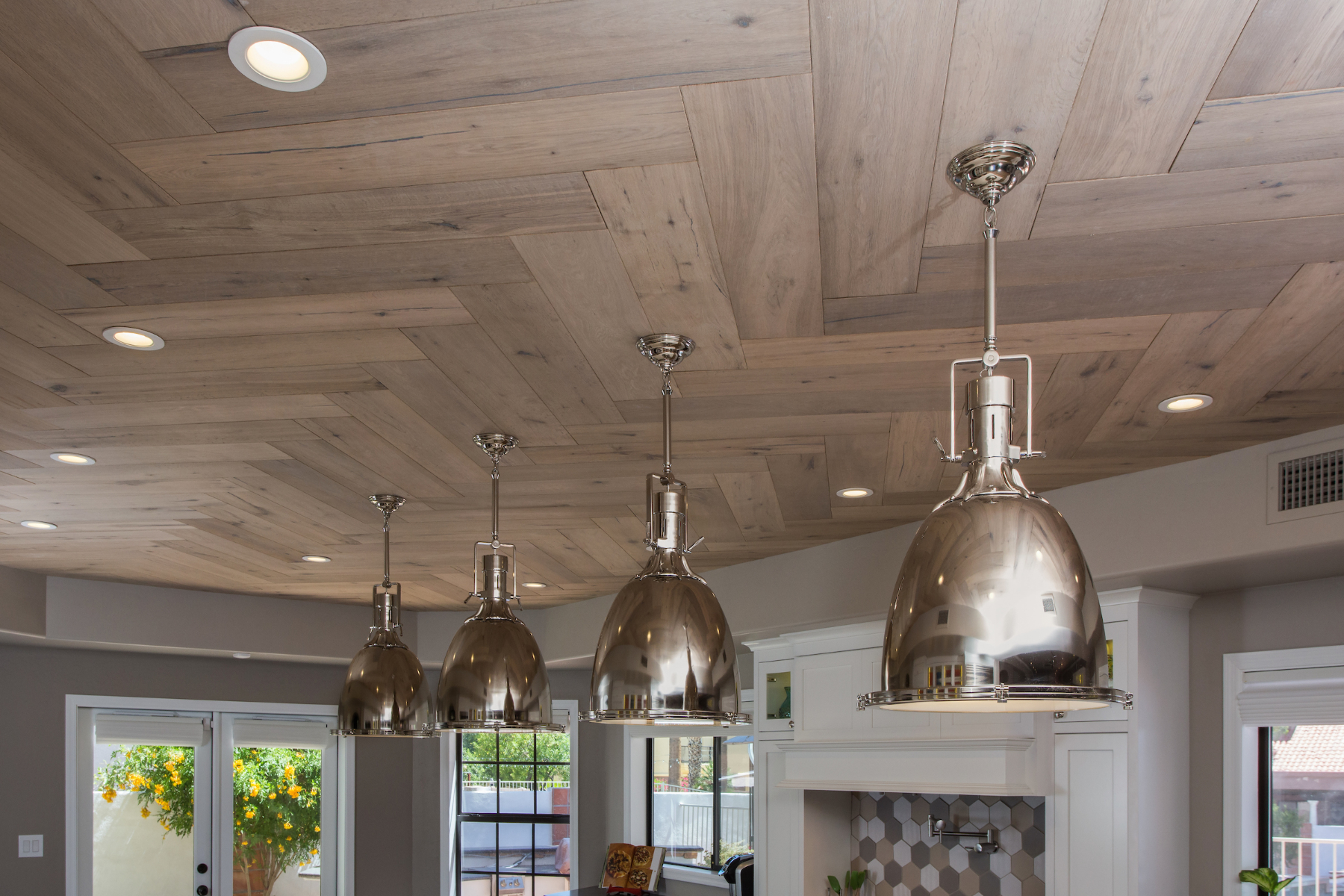
The dropped ceiling with HVAC vents and recessed cans came down. French White Oak in herringbone went up.
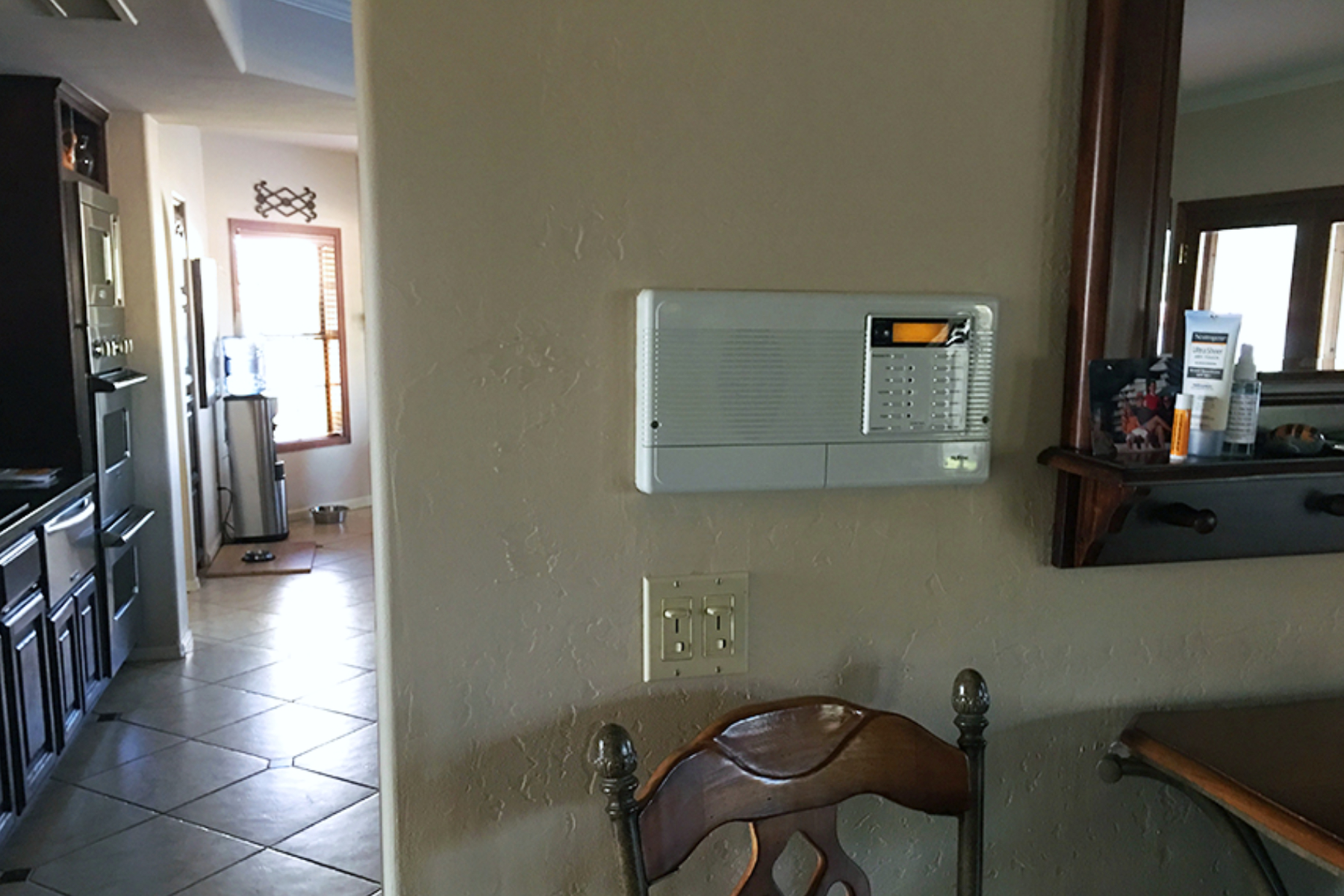
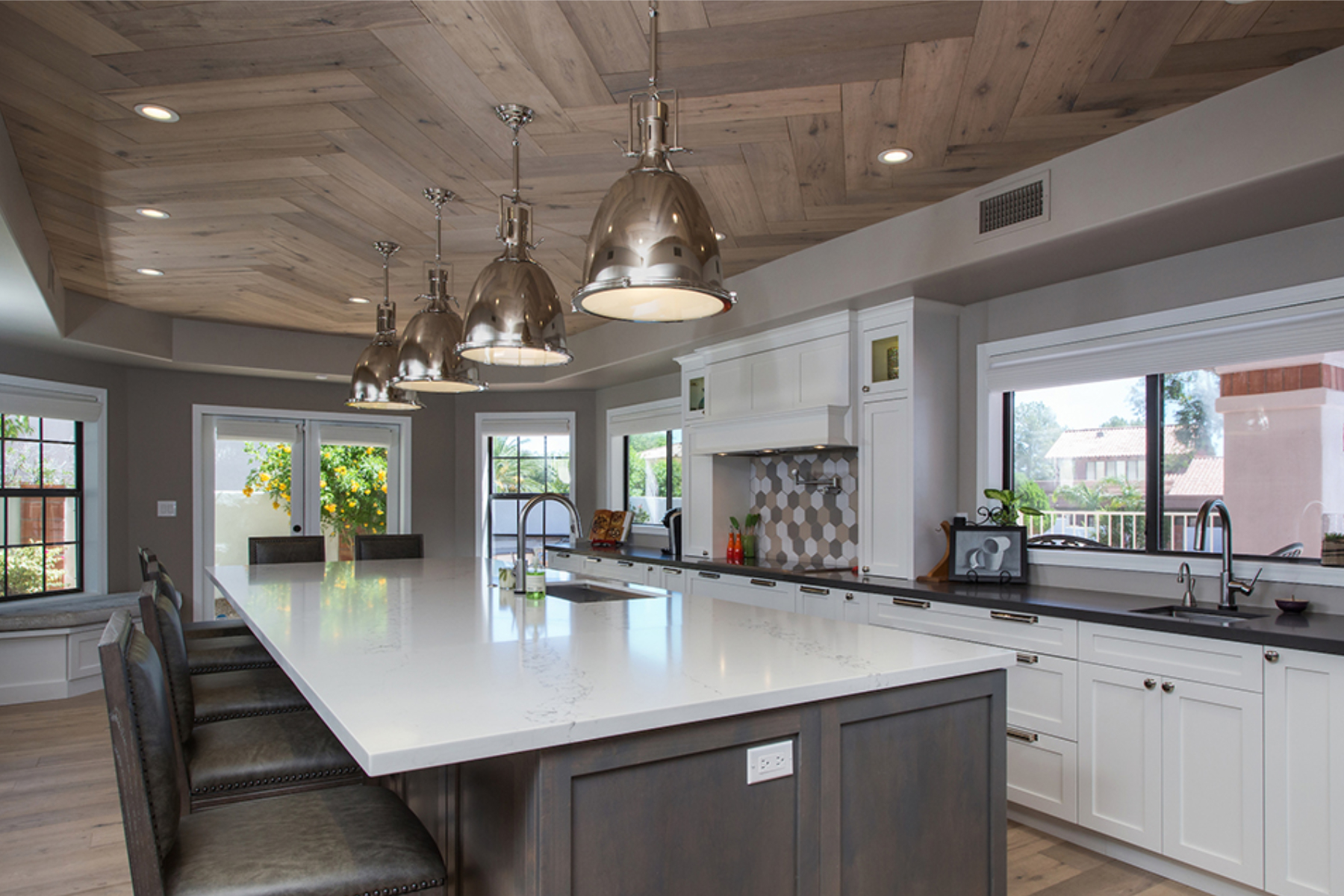
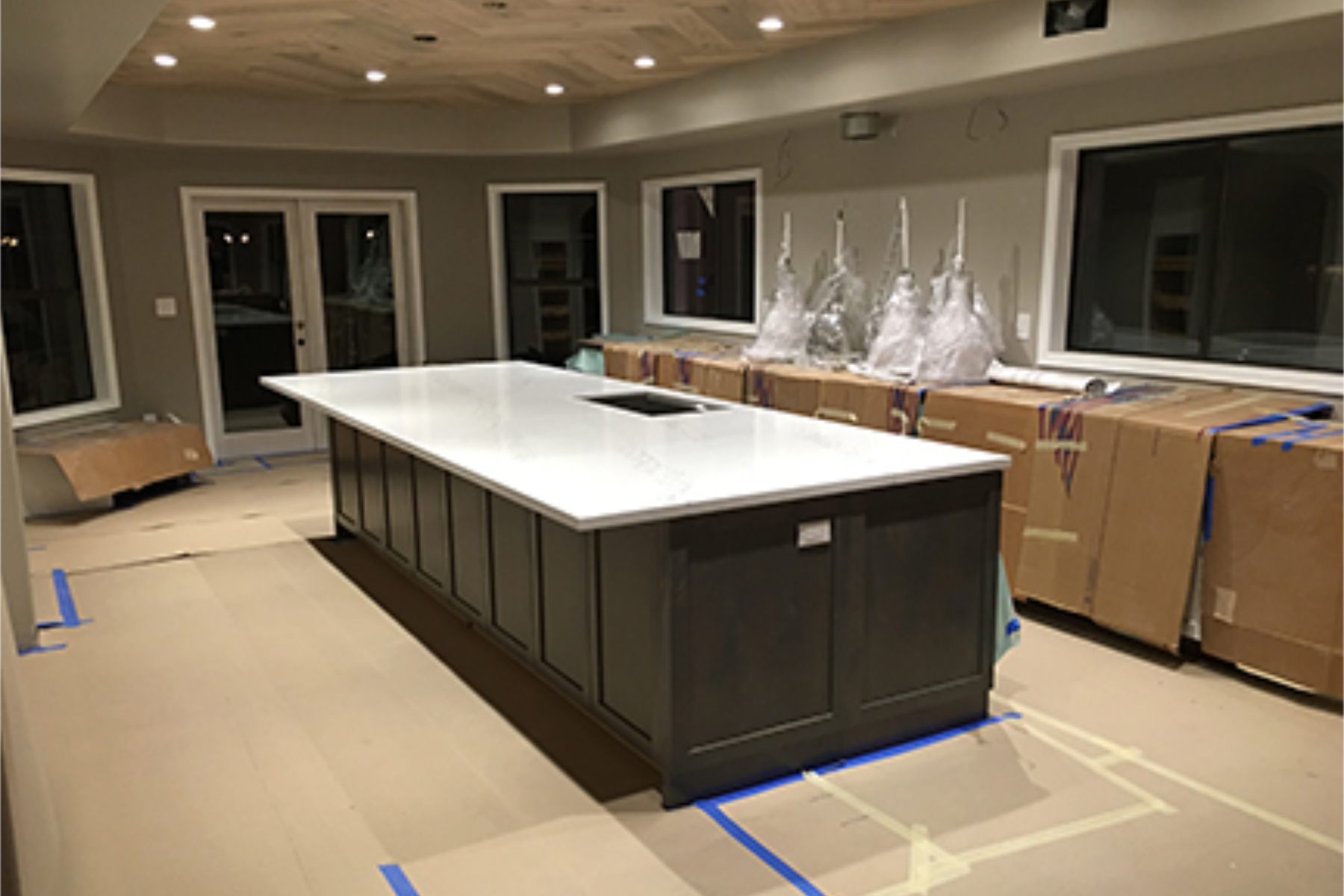
The wall dividing the kitchen from the family room came down. Two rooms became one.
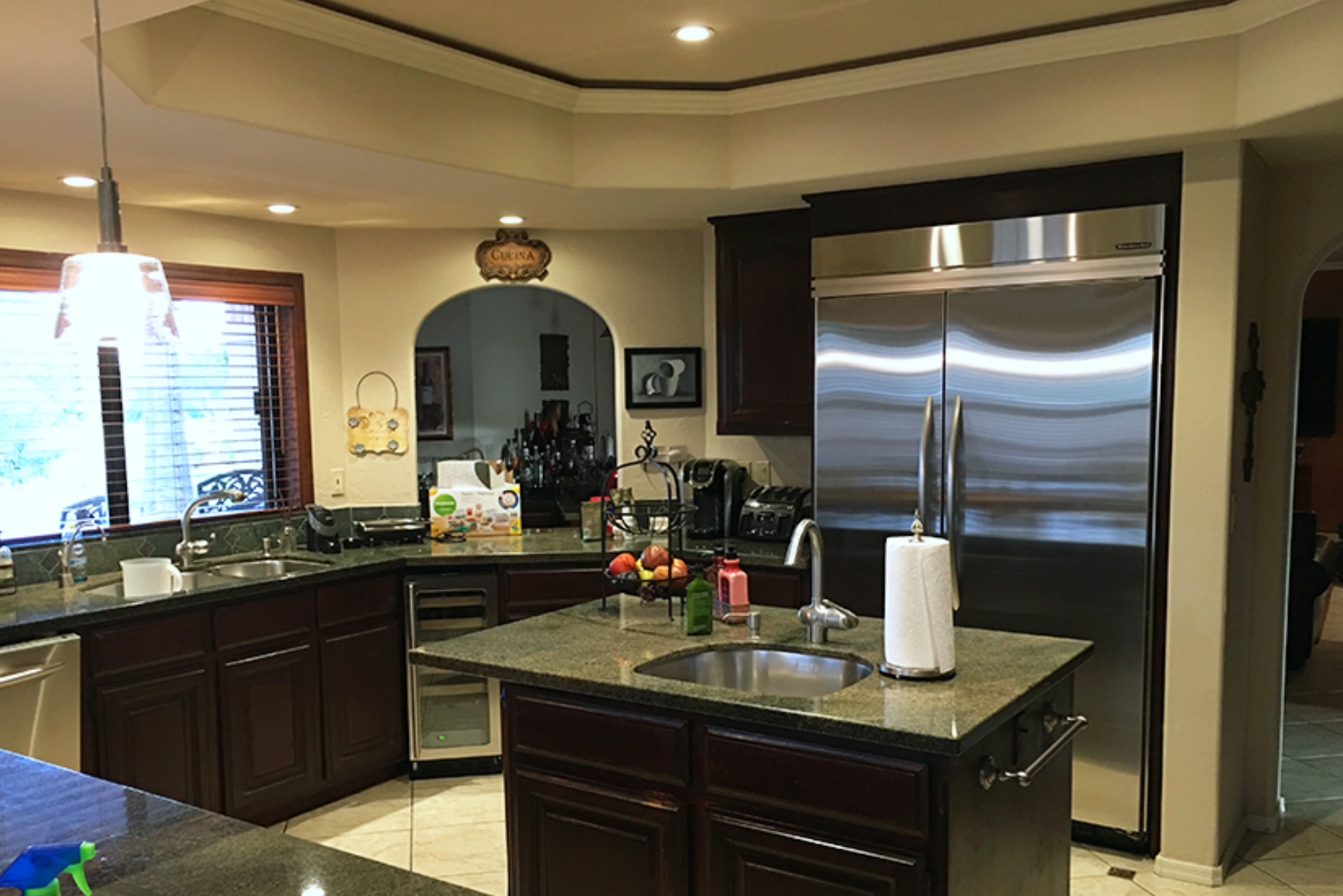
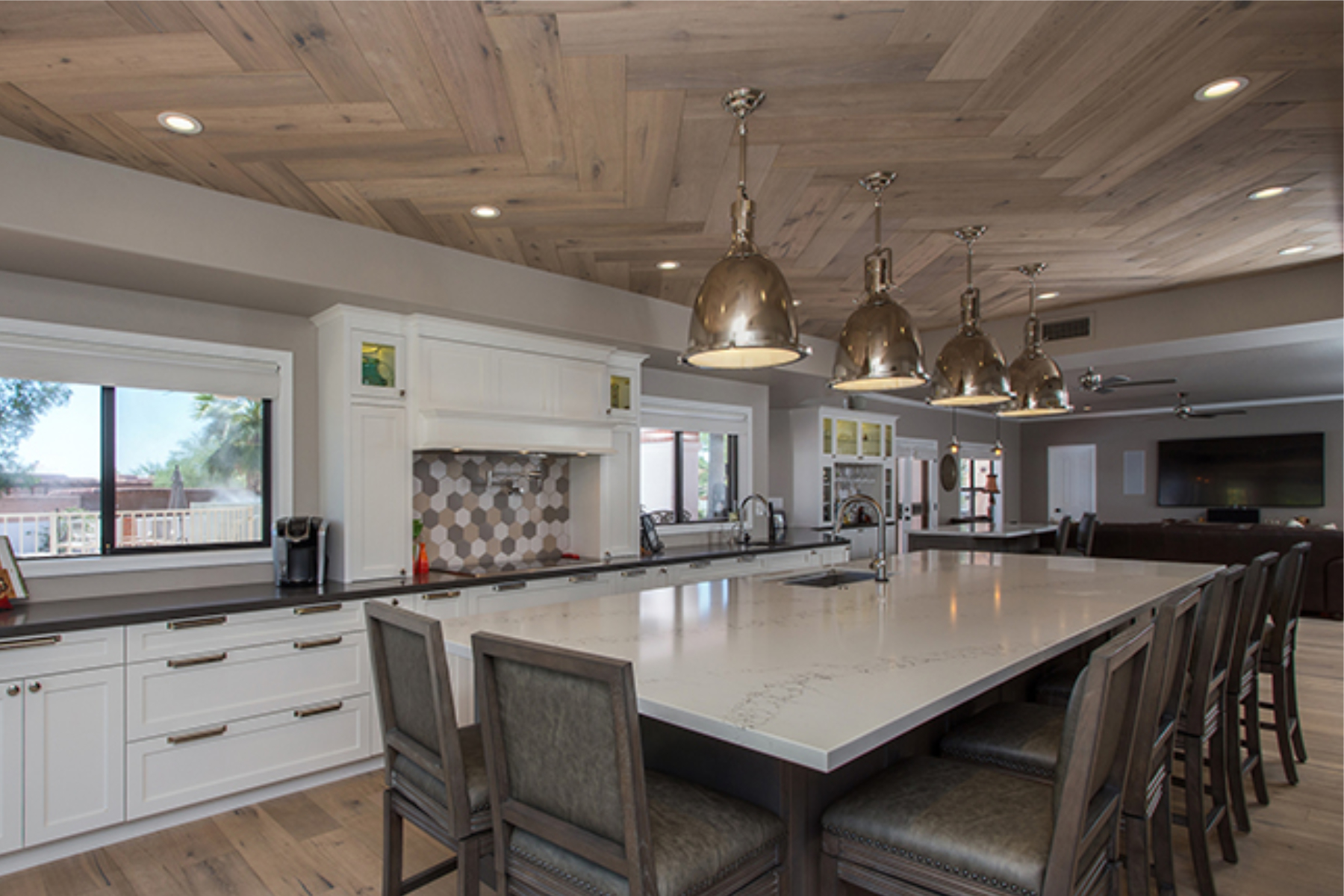
The old kitchen worked. The new kitchen breathes.
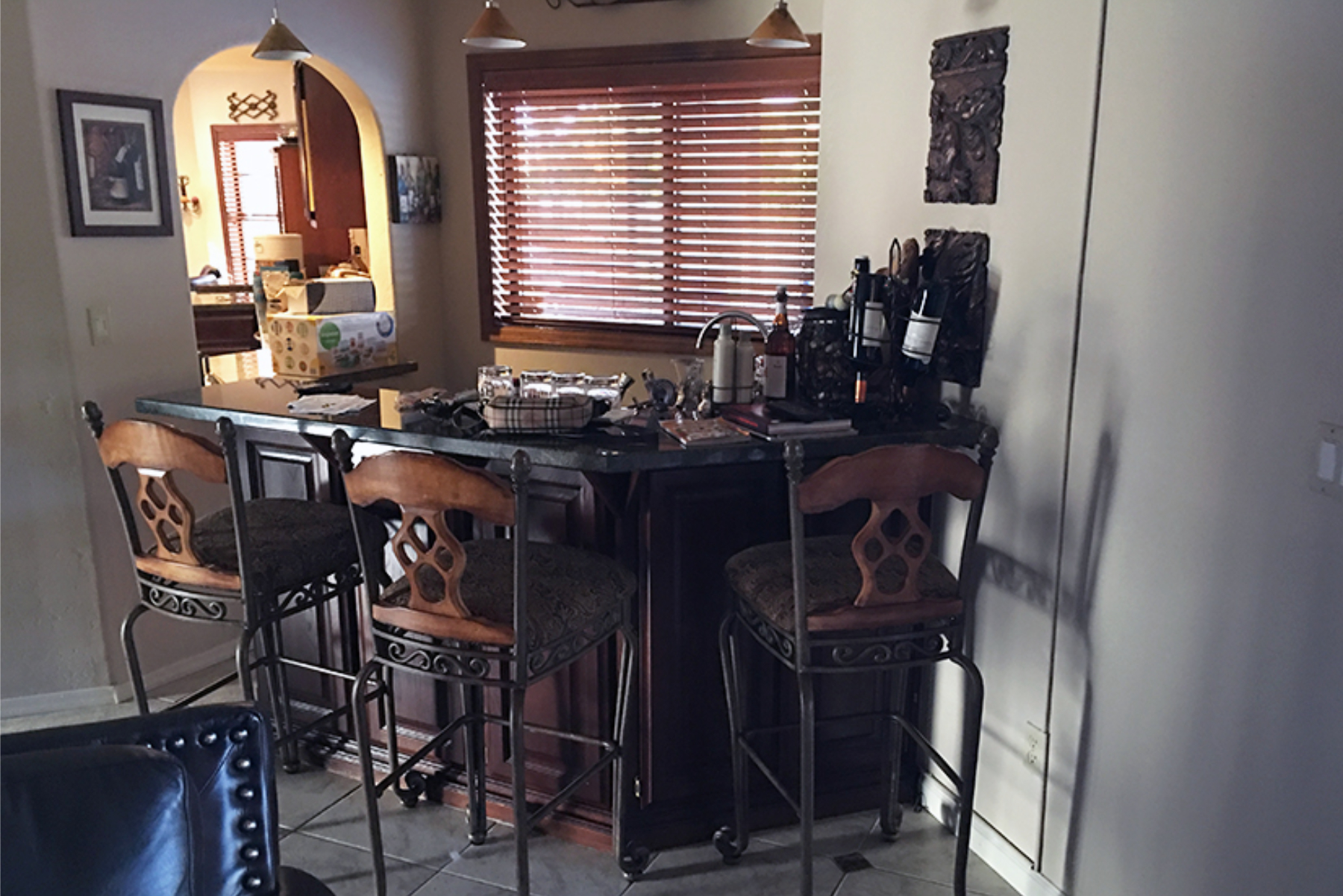
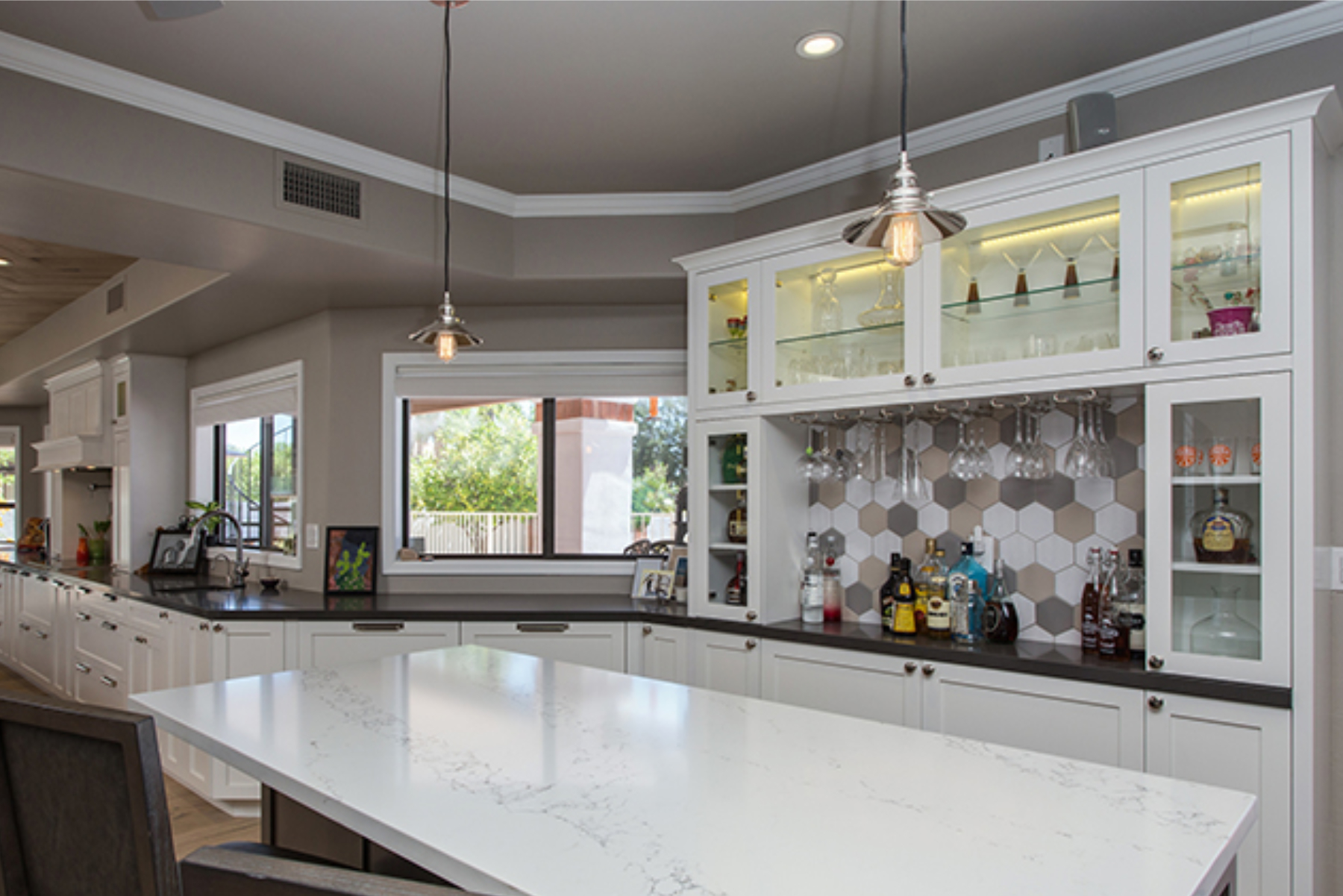
A closet bar gets promoted. New hex tile, lit glass cabinets, real storage.
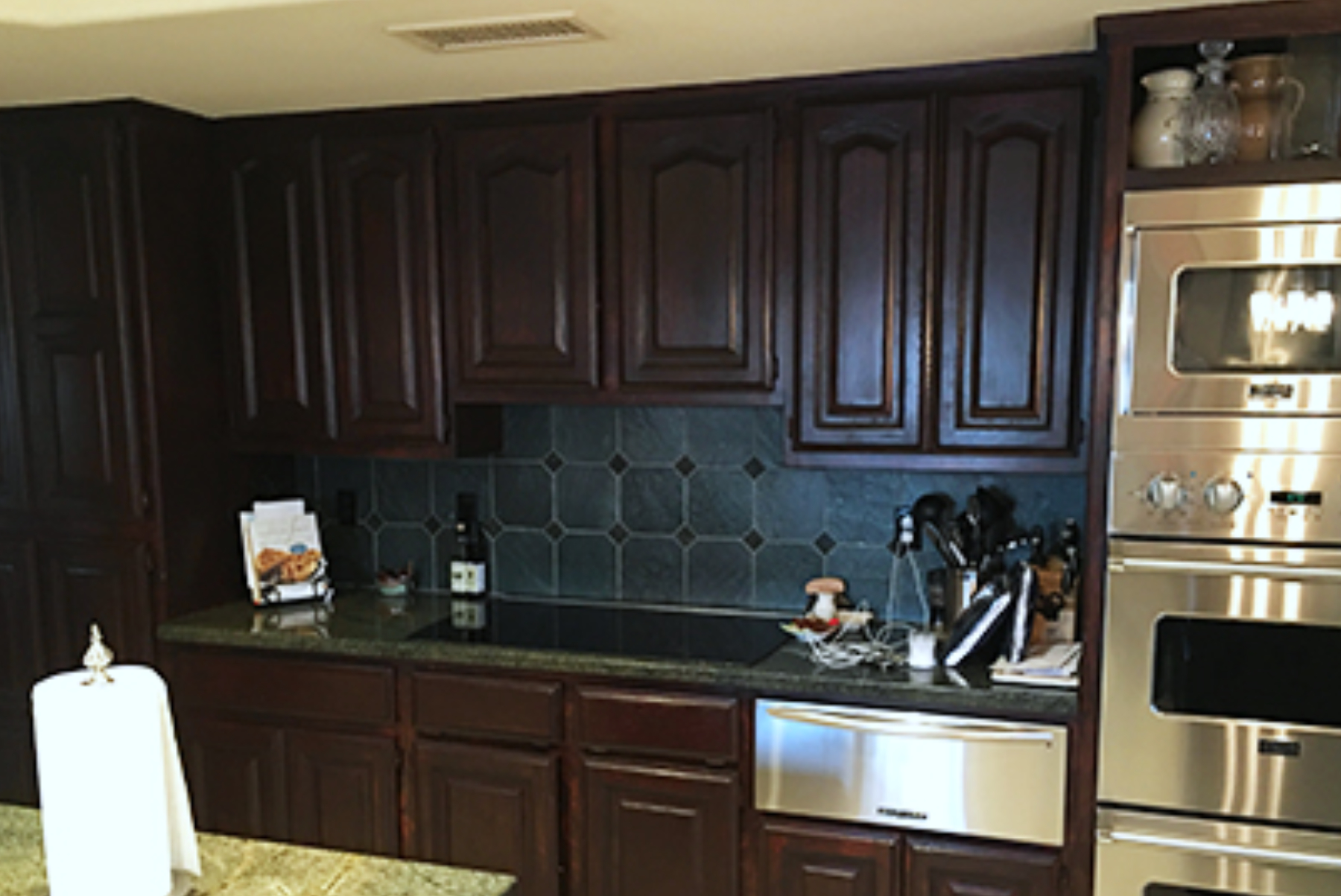
The cooktop wall trades dark cabinets and dated tile for white shaker fronts and Walker Zanger KNIT.
Built in 2016 for $272,015. In today's Phoenix market, a project of this scope and finish would land in the $450,000 to $500,000 range, reflecting roughly 75% in kitchen cost inflation over the past decade.
The number wasn't where they started. It's where the design landed after the homeowners gave us full creative control and asked for a magazine kitchen with the discipline to match. Every dollar was tied to the design idea. The continuous surface. The tile that was new to our market when we found it. The layout that took down a wall and rerouted plumbing through a concrete slab. The cabinetry tuned to the way this family actually cooks.
A kitchen built once, used every day for the next twenty years.
Reflecting roughly 75% in Phoenix kitchen cost inflation since 2016.
French White Oak running floor to ceiling in matching tones, with the herringbone overhead modified onsite from flooring stock. Premium material across two surfaces with custom installation labor on the ceiling.
Walker Zanger KNIT, hexagonal and finished by hand, was new to the regional market when we found it. We were the first install. Premium pricing reflected the novelty.
The dividing wall removed. Plumbing rerouted through the concrete slab to support the new island. Soffits reframed around the entire kitchen perimeter to conceal HVAC and electrical.
Semi-custom base with white perimeter cabinets and a stained island, finished in conversion varnish. Loaded with pullout organization. Cutlery dividers, pegboard dish storage, a dog food drawer, even a coffee pod tray.
What kept it from going higher: the existing dishwasher, warming drawer, wine fridge, and beverage fridge were salvaged from the original kitchen, and the cabinet base was semi-custom rather than full bespoke.
Fixed price, fixed contract, everything in writing before a nail is driven.
A text Jim sent to Lorrie, a year after the kitchen was finished.
“Lorrie, I just want to tell you that hiring you for our remodel was like insurance the kitchen would be fantastic, and there are nights I find myself just sitting at the island looking around at how beautiful it is. Thank you!”
Five things prospects ask most about this project.
Less than people expect. The French White Oak we used was sealed with a finish rated for floor wear, which is overkill for a ceiling that nobody walks on. Combined with a properly sized range hood that pulls cooking moisture out before it travels, the ceiling stays clean and stable. We've never had to do callback work on a wood ceiling we've installed. The thing to verify before signing on for one in your own kitchen is range hood capacity. A wood ceiling without good ventilation is a different conversation.
Yes, but with limits. The wood ceiling reads as a deliberate design move when the room is large enough for the ceiling to function as a fifth wall. In a generous open kitchen like this one, the herringbone catches the eye and pulls the room together. In a narrow galley or a kitchen with a low flat ceiling, the same material starts to feel like a hat that doesn't fit. Whether it's right for your kitchen depends on the proportions, and that's a real conversation worth having before it goes into a design.
Yes, by a real margin. The Walker Zanger KNIT line ran roughly two to three times the cost of a standard subway tile by the square foot, and the labor cost more too because of the hexagonal pattern and the multiple colors that had to be sorted and laid intentionally rather than randomly. On a project investing this heavily in a unified design, the tile earned its line item. On a tighter scope, the same dollars usually do more work somewhere else. We wouldn't always recommend a tile at that price point. We did here because the design was already going there.
Once a finished surface is installed, it gets covered before the next trade is allowed near it. Ramboard goes down on new floors, cardboard wraps the new cabinets, and dust barriers separate the active construction zones from anywhere finishes are already in place. The protection stays on until the last trade leaves the site. The reason this matters is simple. A floor that gets a scuff at week eight is a floor that gets repaired at week ten, and either the schedule slips or the homeowner lives with a fix that's almost as good as new. We avoid the choice by avoiding the scuff.
They did. The kitchen was unavailable during the build, so we set up a temporary kitchenette in the dining room with the salvaged refrigerator and a microwave, ran extension cords for a coffee maker, and sealed the work zone off behind dust barriers. When the weather cooperated, they cooked on the outdoor kitchen we'd built for them on a previous project. Most of our clients stay in the house during a kitchen remodel. The ones who travel for a stretch usually tell us afterward they wish they'd just stayed and watched it come together.
This kitchen earned NARI Contractor of the Year recognition at the Regional and Local levels, in the Residential Kitchen Over $150K category. NARI's Contractor of the Year program is the most rigorous independent evaluation of remodeling work in the country, with a panel of designers and builders evaluating every submission against documented standards for design, execution, and craftsmanship.
Less than 12 months after the kitchen was finished, it was featured in the September 2017 issue of Kitchen & Bath Design News, in their “Chef Inspired Kitchens” article. Designers from across the country saw the work.

If you're reading this far, you're probably not done thinking about your own kitchen. That's the right place to be. The first conversation isn't a sales call. It's a chance to see if we're the right team for what you're trying to build, and for us to see the same. No pressure. Just a conversation.
Schedule a Conversation